 Posted by
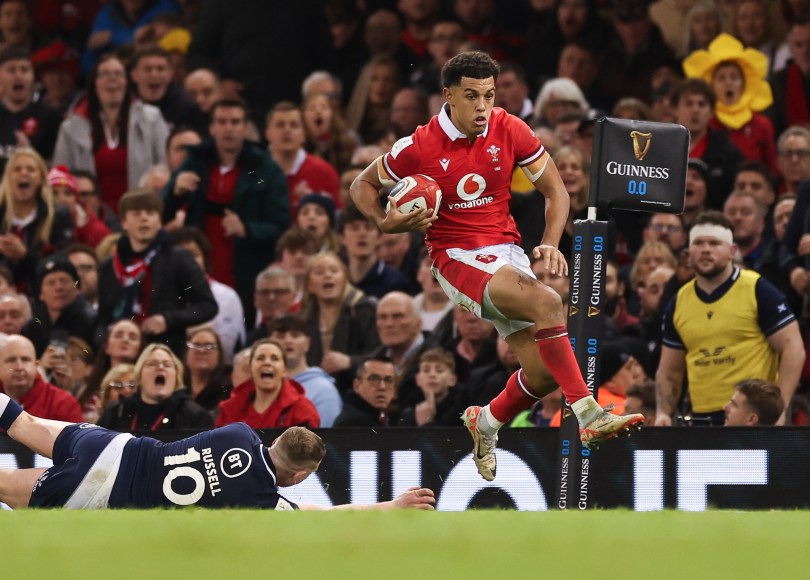
 Saturday saw one of the most remarkable Guinness Six Nations games certainly in recent memory, and possibly ever, as Wales attempted to launch an outrageous comeback against Scotland at the Principality Stadium.
At one point early in the second half the visitors were leading 0-27 after a whirlwind first half during which they blew the home side away, scoring three tries and keeping the scoreboard ticking over off the tee. From their perspective they were cruising as they dominated the set piece and allowed Finn Russell to run the show from fly-half.
However, from a Welsh point-of-view it was a disaster. The defence was passive, the kick chase lacked any intensity, and the lineout almost completely imploded. Perhaps the most disappointing aspect though, considering the young and fresh outlook to the team, was the blunt and restricted nature of the attack during that first 40 minutes.
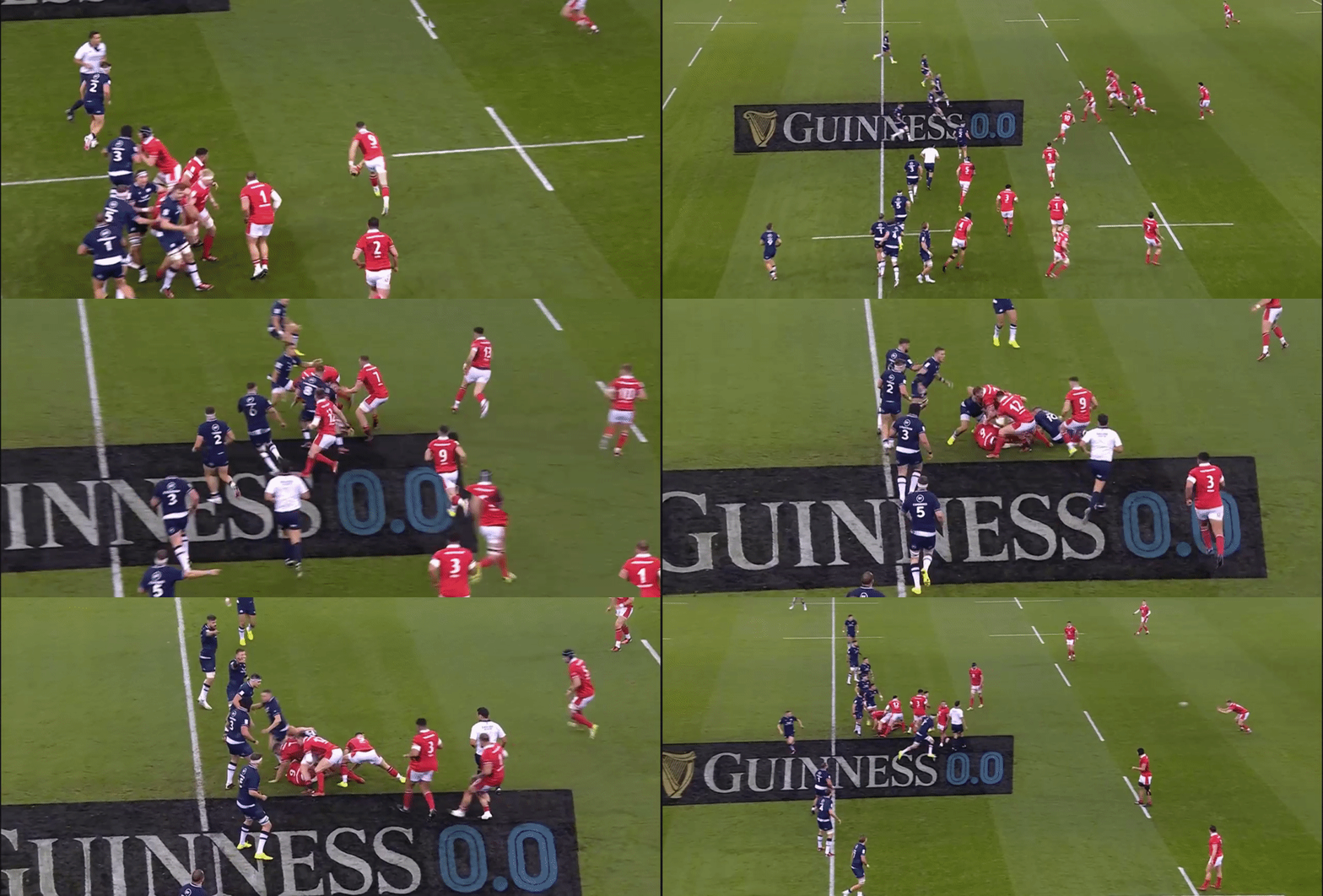
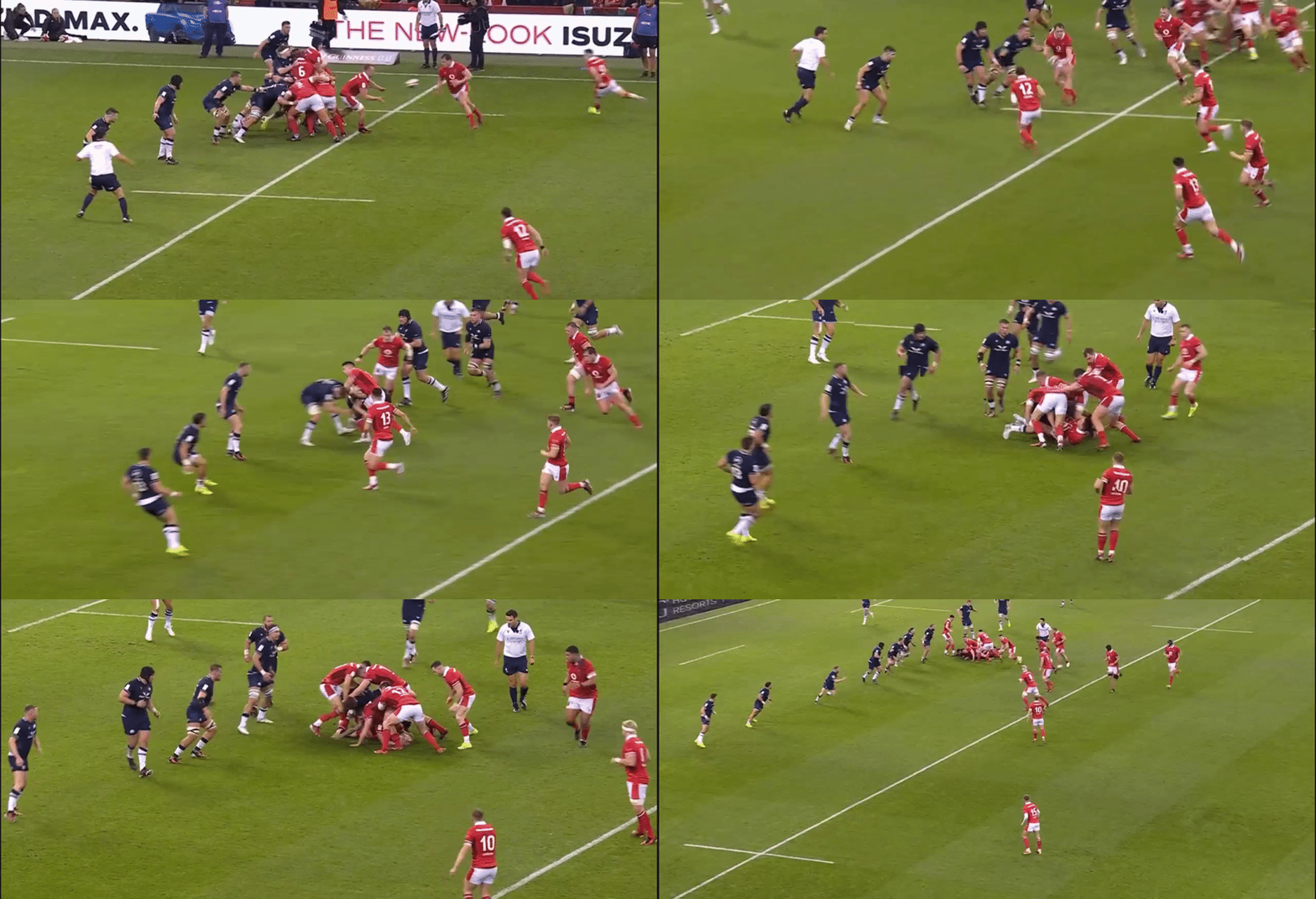
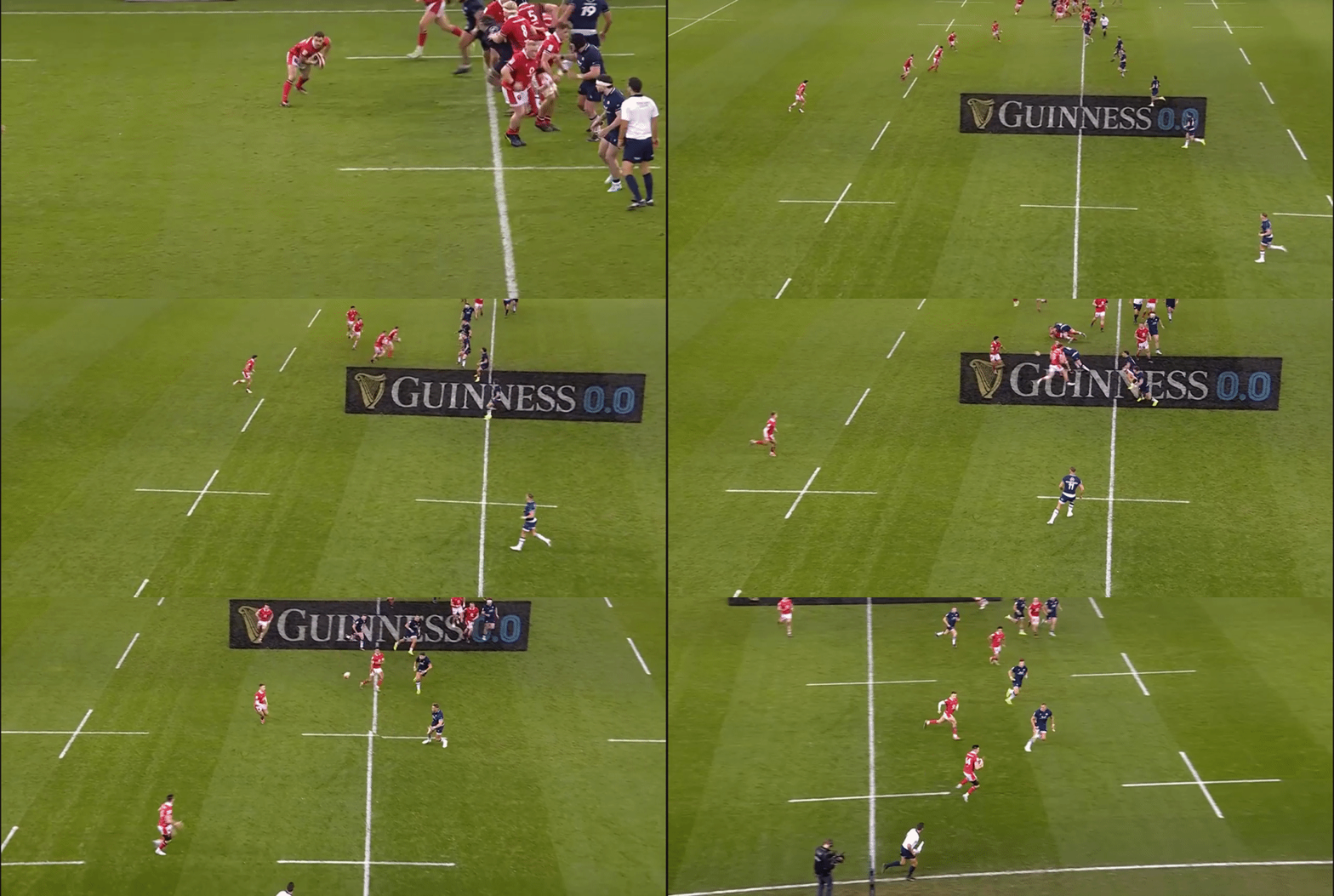
It started with the first phase strike plays, where Wales rarely ventured beyond the 12 channel throughout the first half.
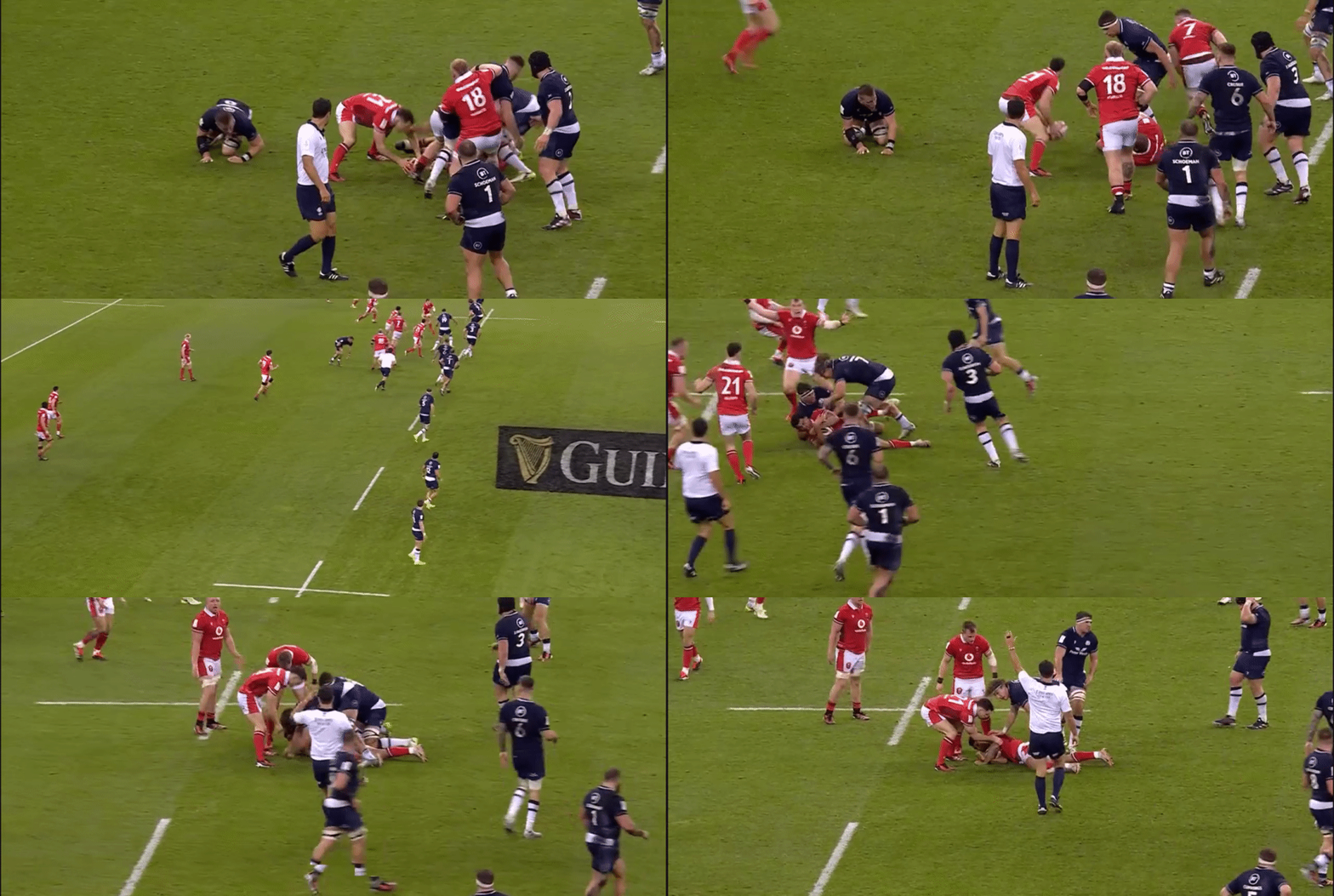
The two clips above show the most adventurous the men in red got, shortening the lineout slightly to get James Botham into midfield and attempting to move the ball away from the point of contact in order for the flanker to carry into a single defender. That works well until the exact same move is called twice in three minutes.
Beyond that though it seems that the pre-called play on both occasions, as Sam Costelow drops into the pocket, is to kick the ball on phase two. There was no desire to go through the phases in the middle of the pitch, instead opting to kick into the opposition half and put the pressure on through the kick chase. Unfortunately that didn’t work due to the aforementioned lack of intensity in the chase.
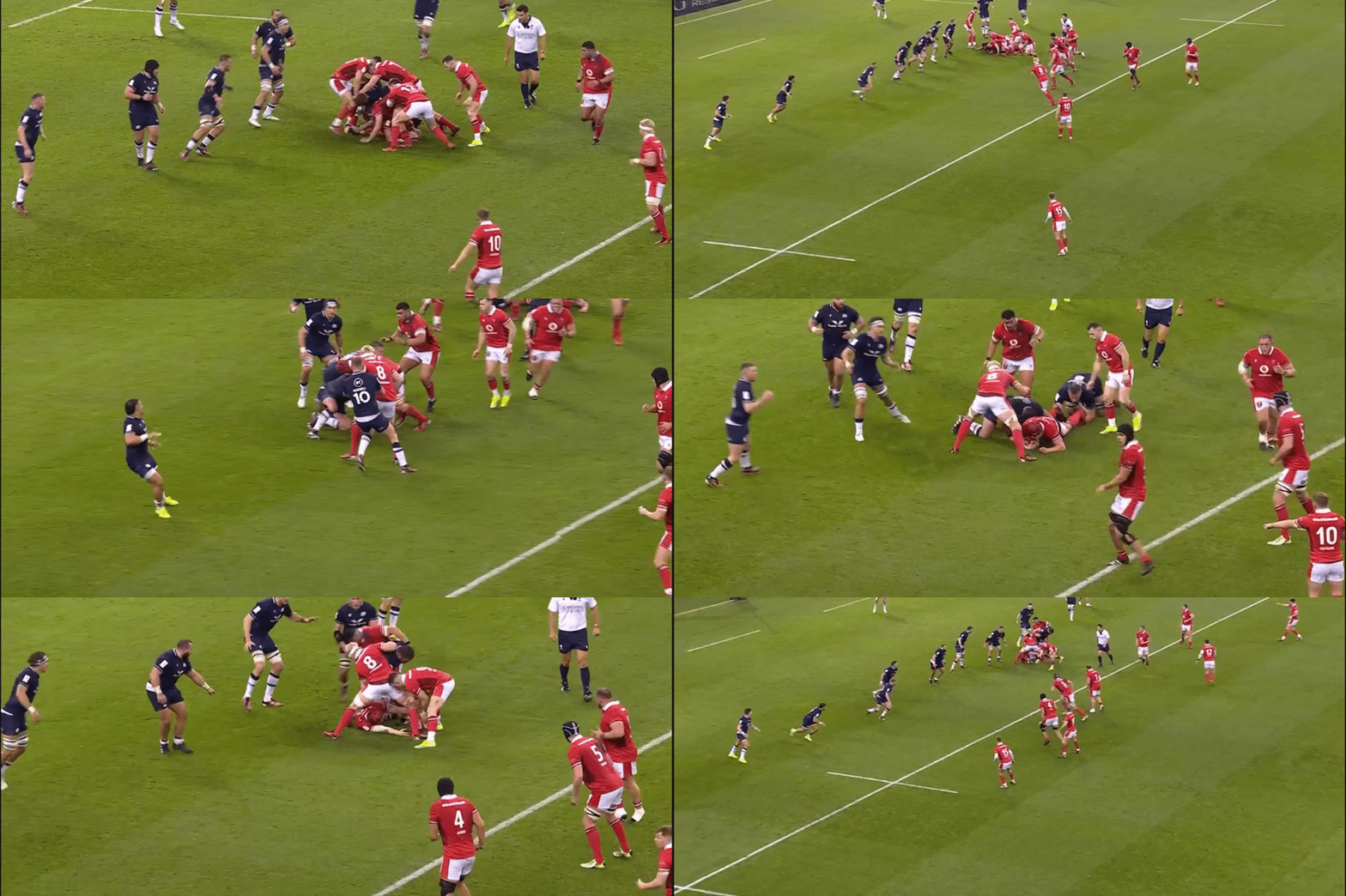
It’s an approach that must have come from the game plan presented by the coaches as it departs so markedly from the natural style of play we have seen from Gareth Davies and Costelow at half-back. Using players incorrectly was a recurrence throughout the first half, with Josh Adams suffering the same fate when used as a battering ram off the right wing.
As with the last Six Nations, which passed without the usually lethal Adams getting on the scoresheet, the winger is playing off the right wing and being asked to do a lot of work in-field in a Wales team that is generally much stronger playing from right-to-left.
It’s a role that was previously done by the likes of George North and Alex Cuthbert, naturally much bigger men who can make the hard yards in midfield and pick good lines coming short off the 9 or 10, not a strength the less physical Adams has. His attributes are far more suited to the left wing where breaking on the outside, converting line breaks into scores and finishing in the corner are the order of the day.
The knock-on impact of that narrowing of the first phase strike plays, over-reliance on kicking and incorrect use of personnel is that the Scottish defence found it very easy to form up and repel the Welsh attack. With the forwards sluggish to come around the corner anyway as the phase play develops, they are constantly working from slow ball and with little variation.
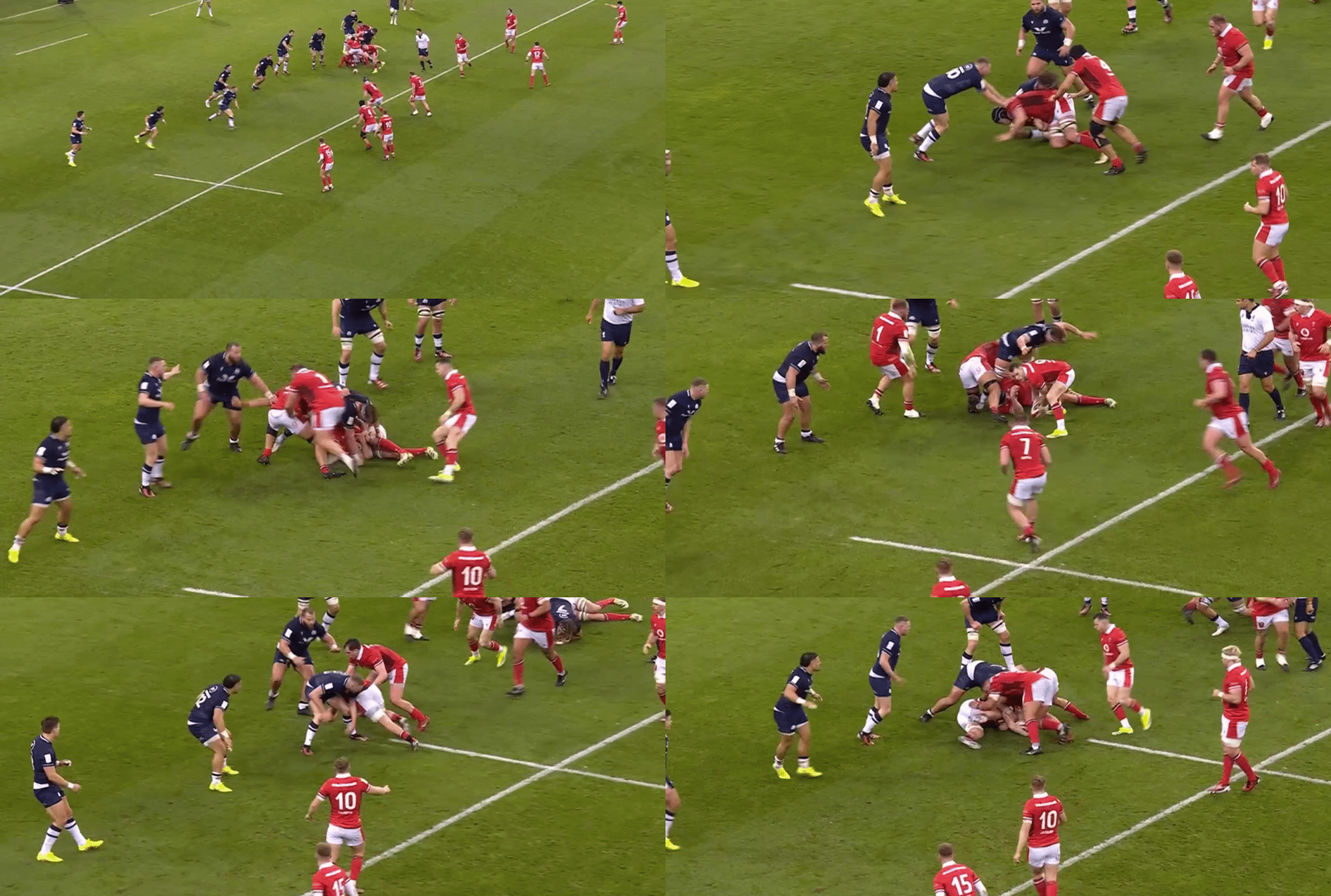
Following on from Adams being pushed back on first phase, Scotland are ready to punch Botham back from the gain line, and then the shape of Wales’ attack begins to falter. I’m no critic of Adam Beard in the way some are, but a competent attacking game plan does not have him regularly carrying the ball ahead of Corey Domachowski, Ryan Elias, Dafydd Jenkins and Aaron Wainwright.
Similarly Tommy Reffell on the next phase. Both players with strengths that are important to the pack, but carrying is not at the top of those respective lists. With the repetitive nature of the one-up carries, and the lack of punch against a well-set defence, it’s a visit to the opposition 22 that ultimately goes nowhere, ending in a handling error a few phases later.
These were themes that were repeated throughout a toothless first half attack, winding up with no points scored and realistically no points even looked like being scored. It wasn’t until the players got back into the shed at the break that the offensive plan was overhauled to give more freedom, particularly to the forwards, to move the ball, exploit space, go through phases and exert pressure.
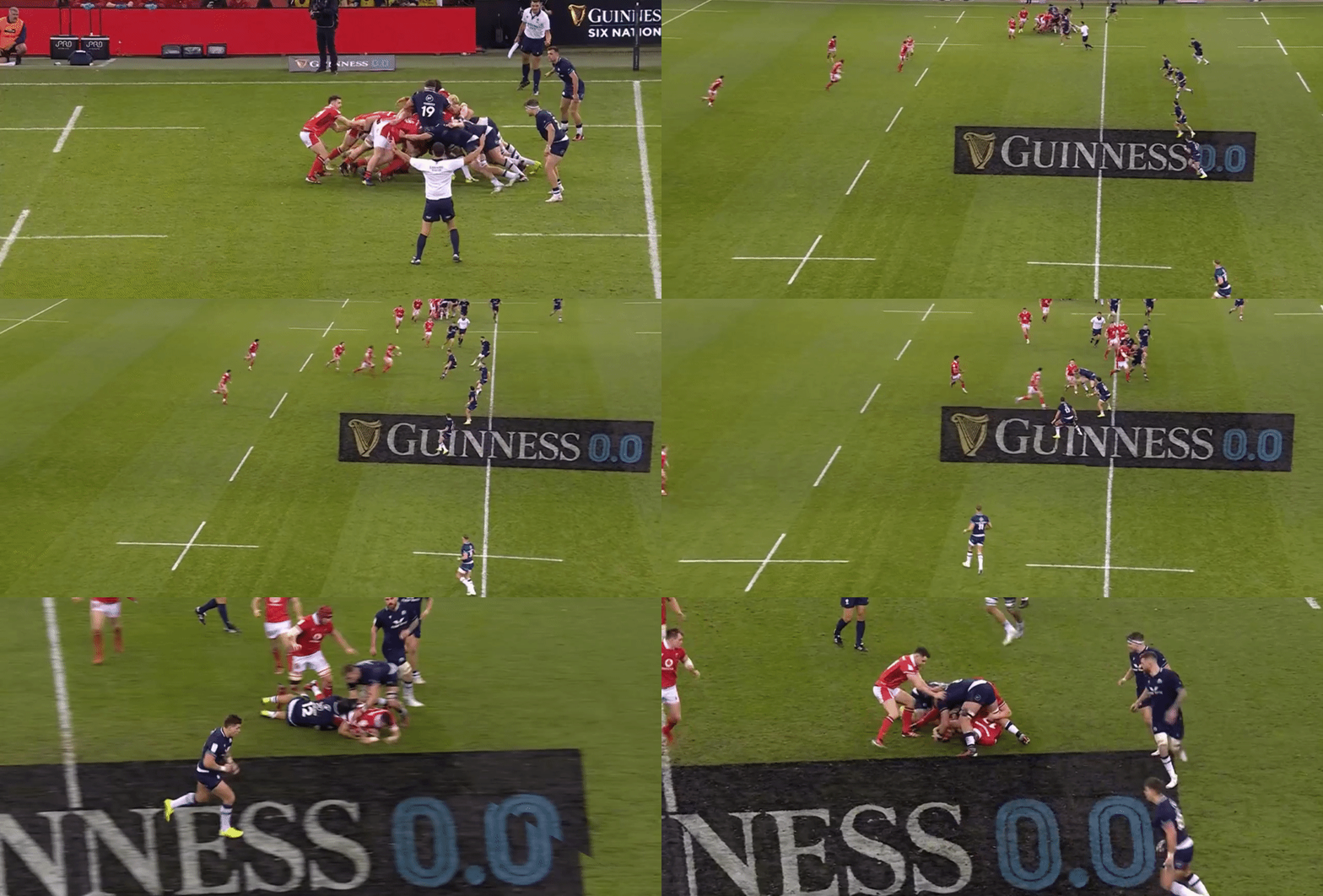
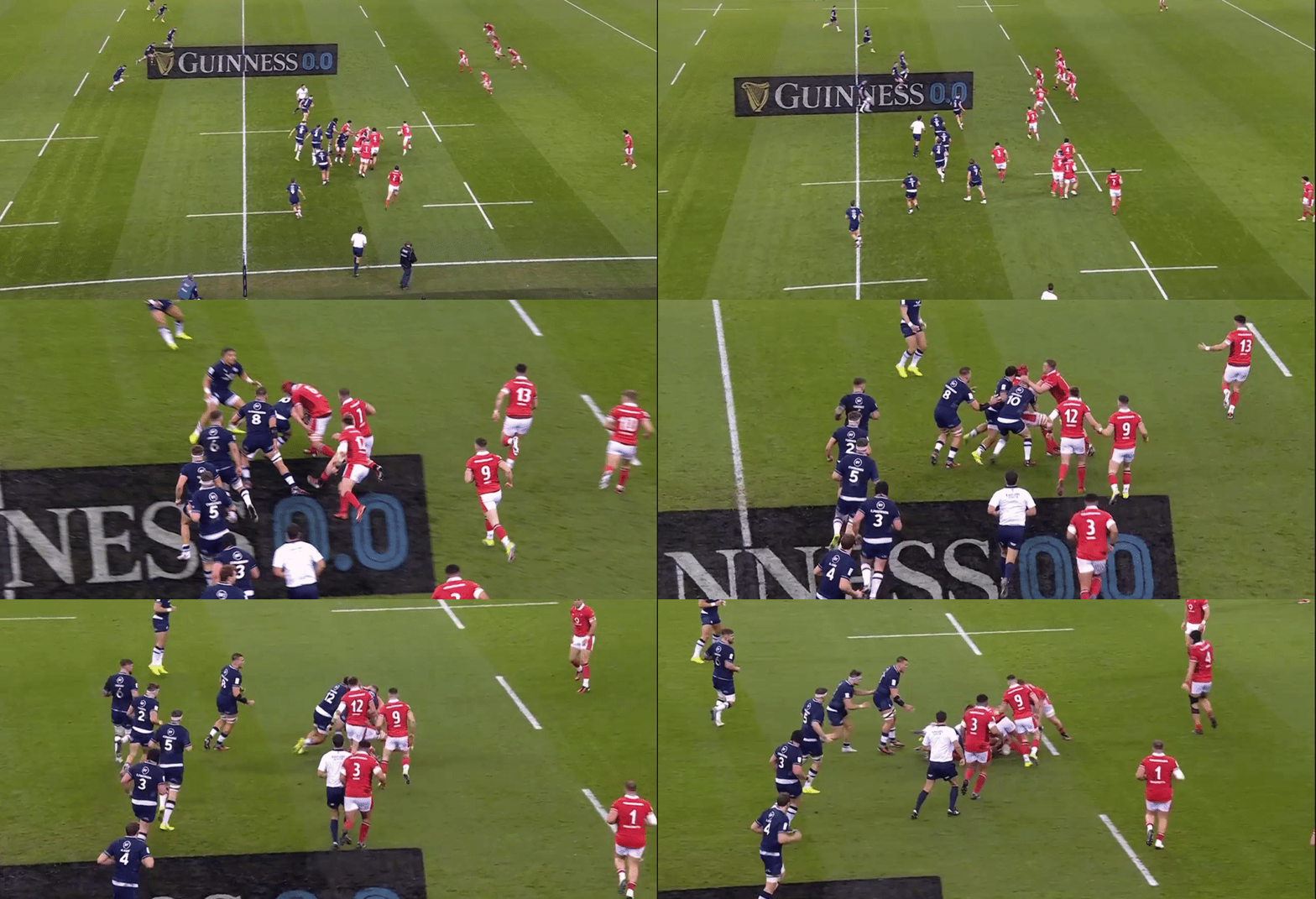
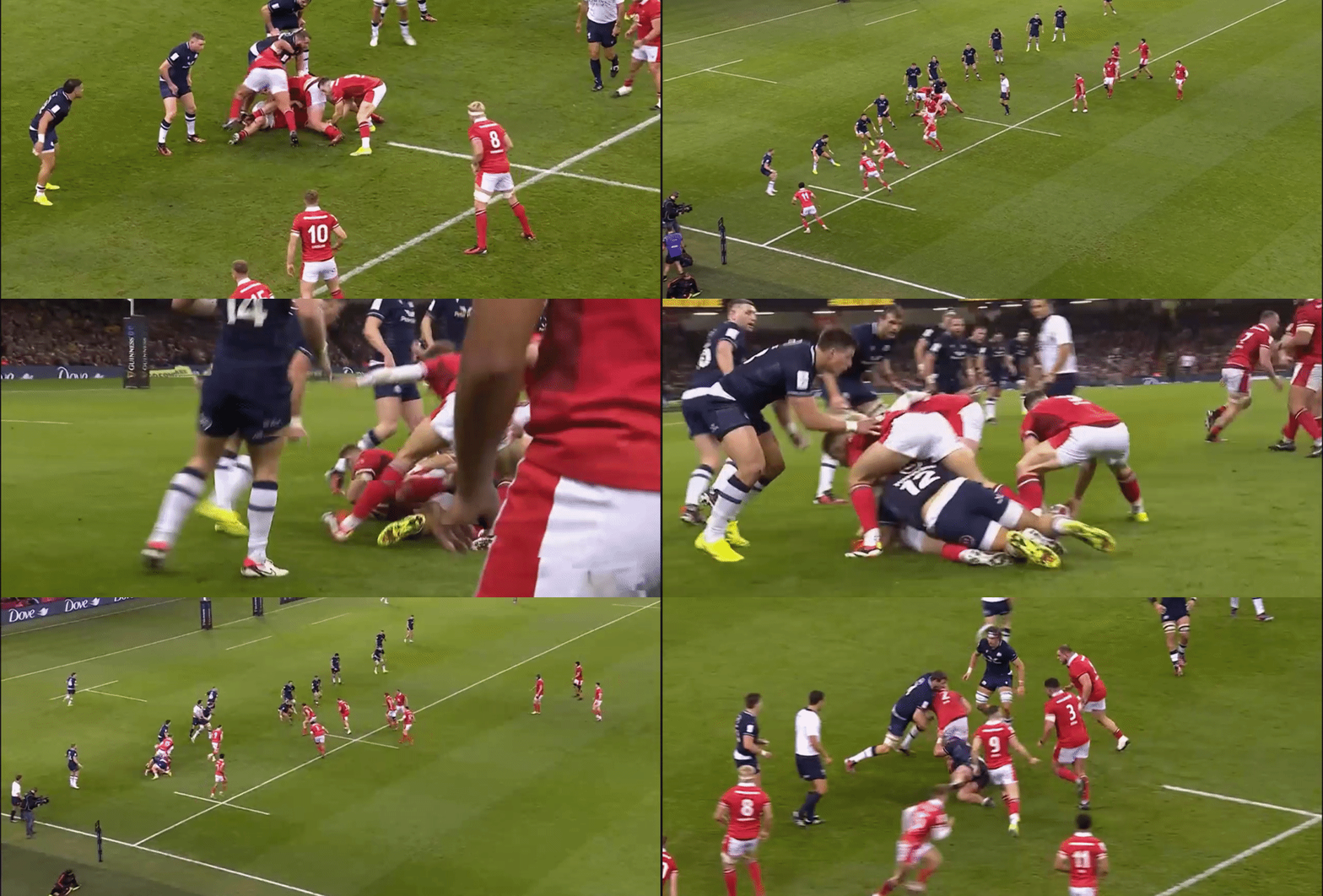
It starts with the first phase strike plays which demonstrated a desire to bring a variation and width to the attack. Getting Rio Dyer in motion and the ball into Josh Adams’ hands on the wing would have been almost unthinkable in the first half, but after half-time it’s a new ball game.
Focusing particularly on the second clip the ball is moved wider into the 13 channel for Owen Watkin to carry, after Nick Tompkins and Ioan Lloyd have both gone to the line to hold defenders. It’s not a dissimilar play call, albeit with more intent, to those two identical calls for James Botham to carry in the first half, but crucially it’s then not immediately followed by a kick.
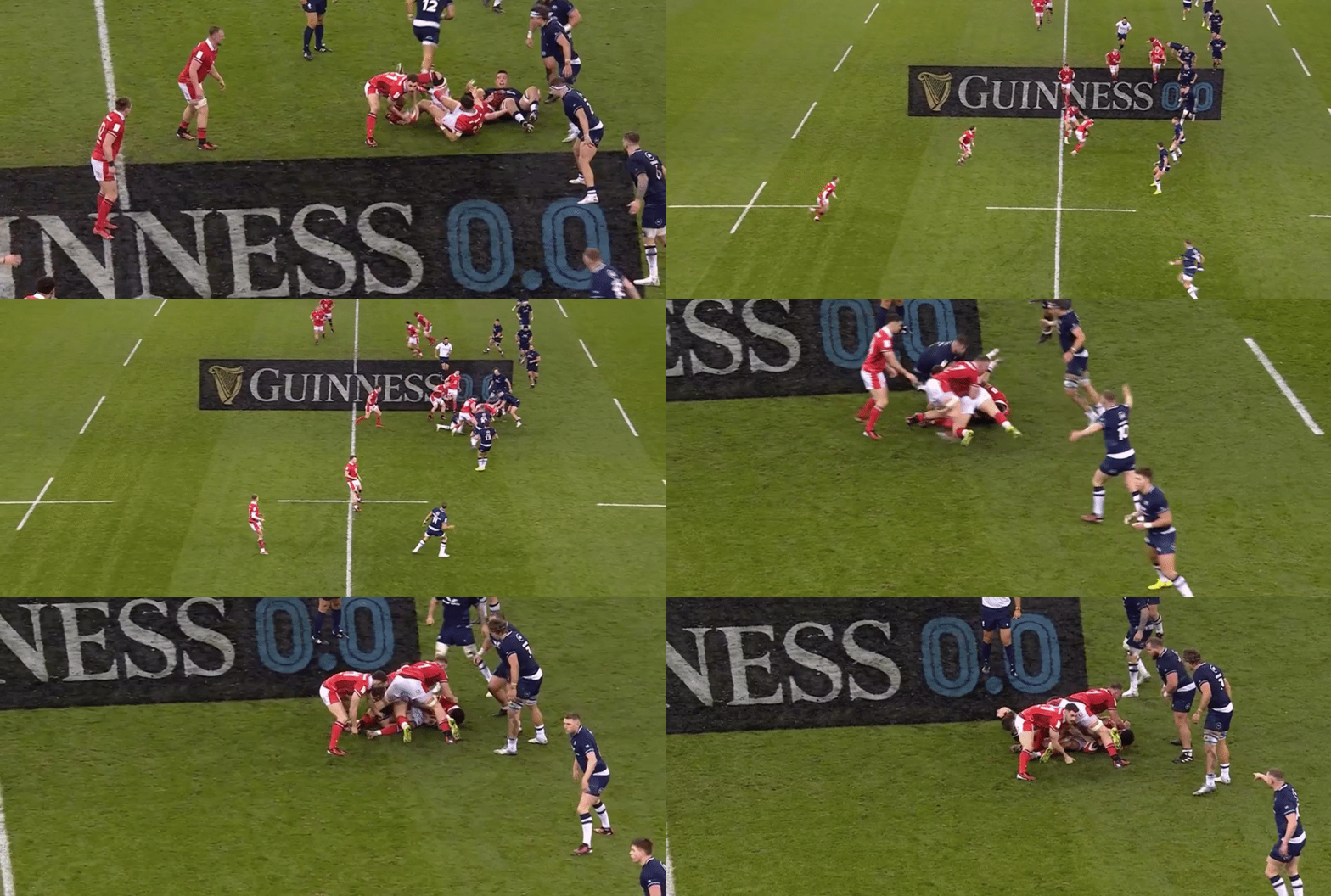
Now it’s different as Tomos Williams moves the ball long across the face of the defence to Dyer, with a bit more depth and a front foot opportunity to carry and entice Scotland to go off their feet, conceding a penalty.
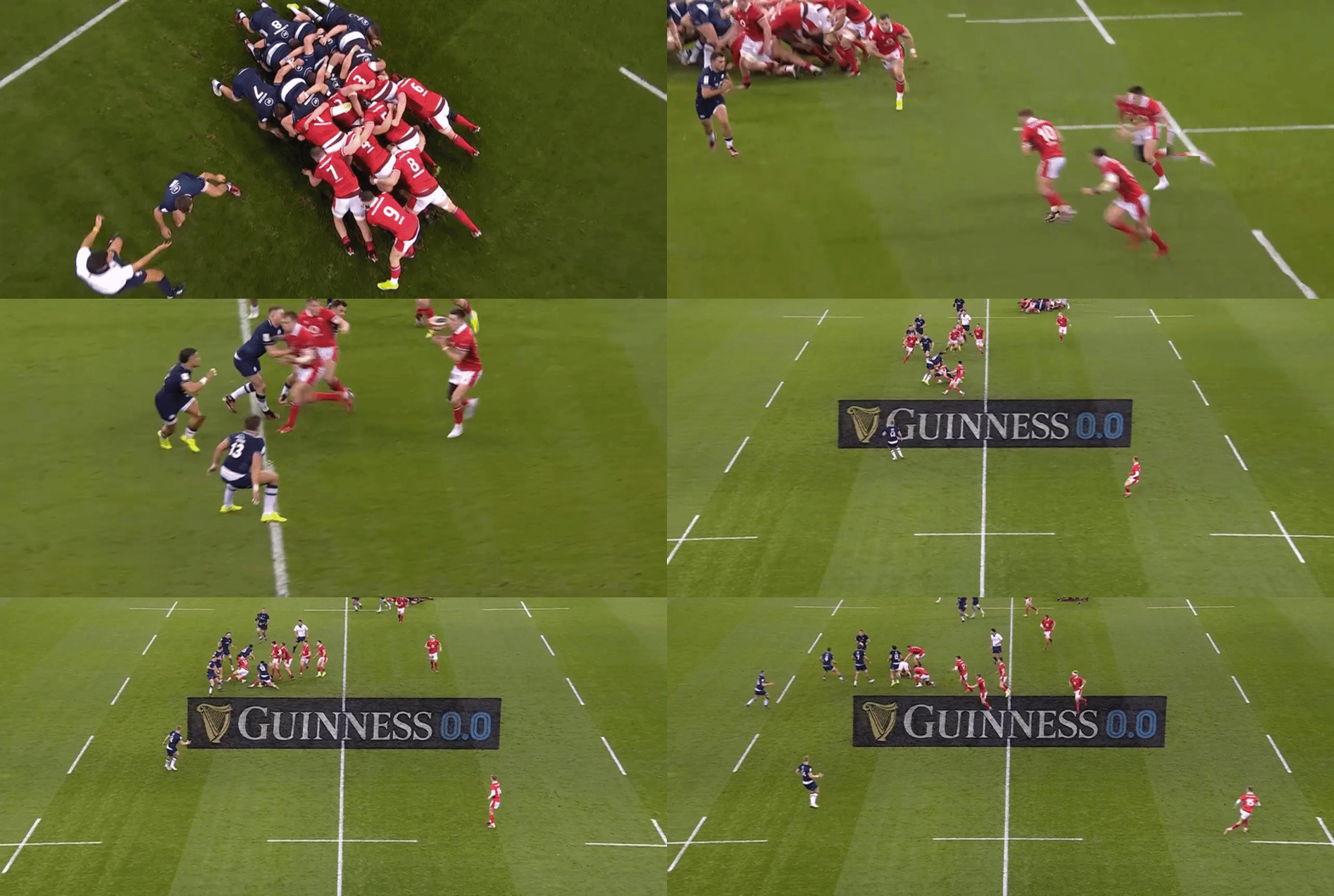
This intent and desire to go through phases is the big turning point. Taking a good first up carry, such as from Corey Domachowski below, and then capitalising on that with some variation off Tompkins again leading to the visitors being penalised.
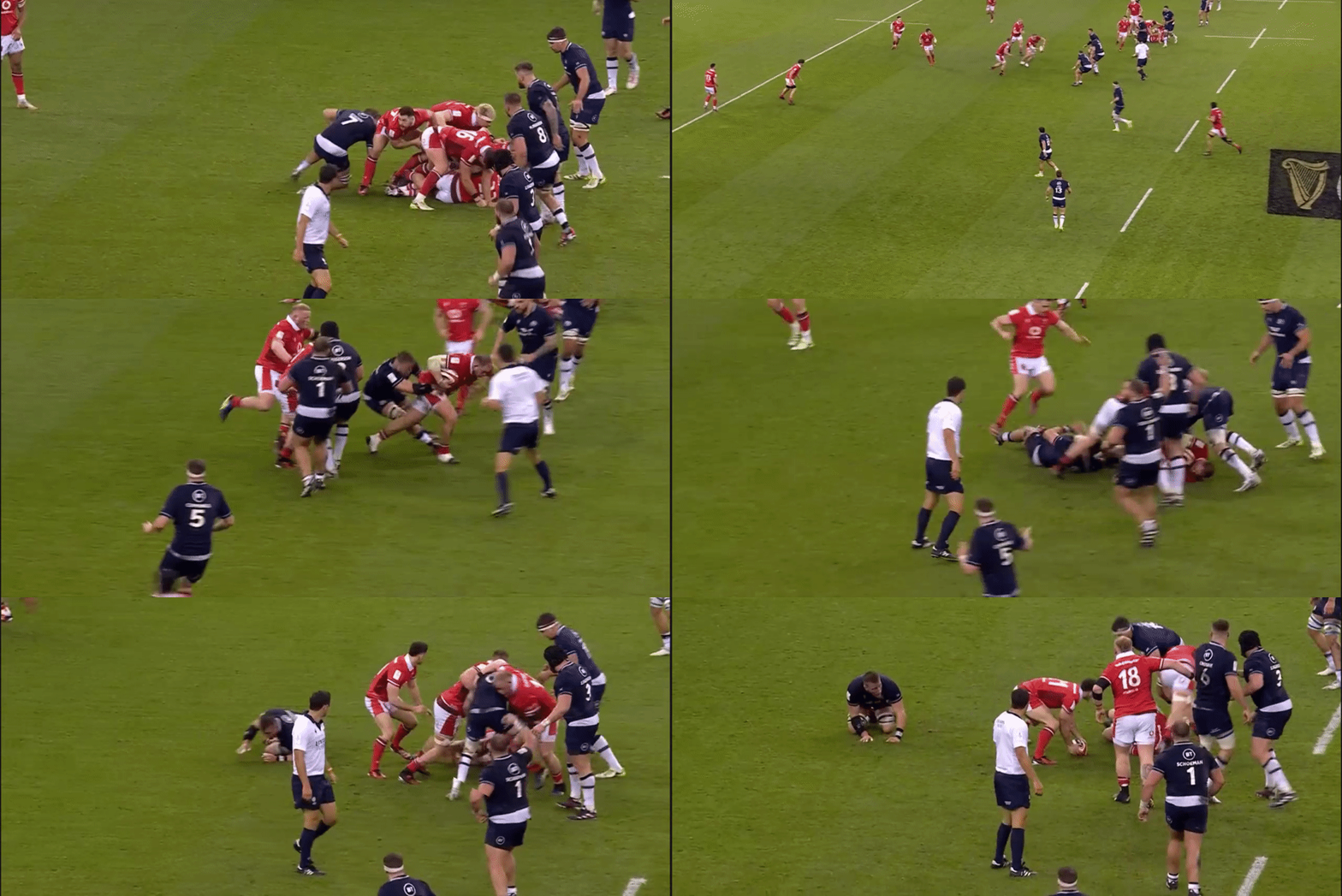
With the momentum turning, the freedom to play becomes apparent as Tomos Williams takes a quick tap penalty and Wales head down field. The home side begin to control the tempo and the areas of the field the game is played in, as the players grow in confidence.
Skillsets like those possessed by Corey Domachowski and Elliot Dee come to the fore and Aaron Wainwright and Alex Mann can work to get into the wider channels where their carrying is more effective, leading to an overload on the short side was ultimately isn’t taken advantage of, but is encouraging to see.
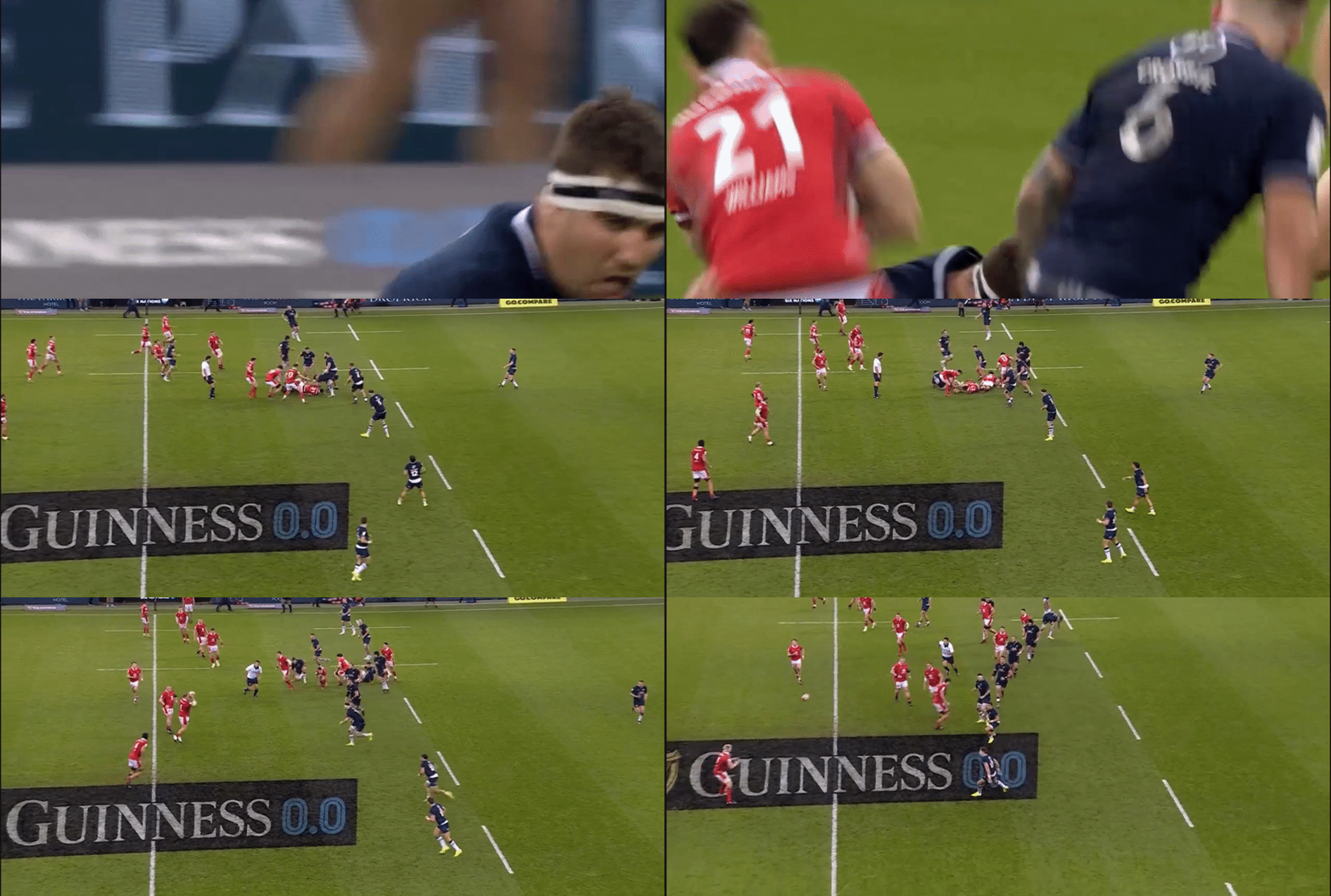
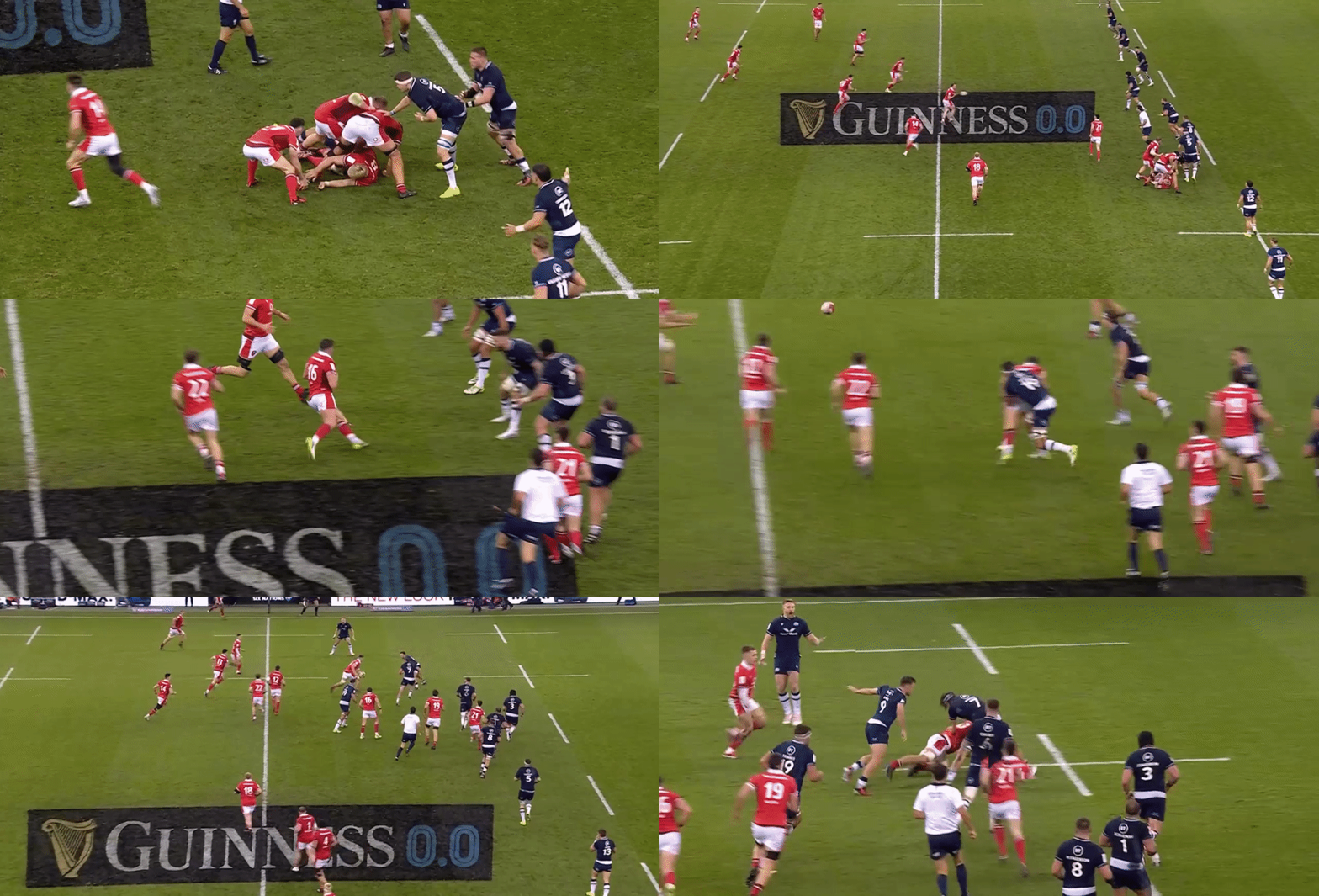
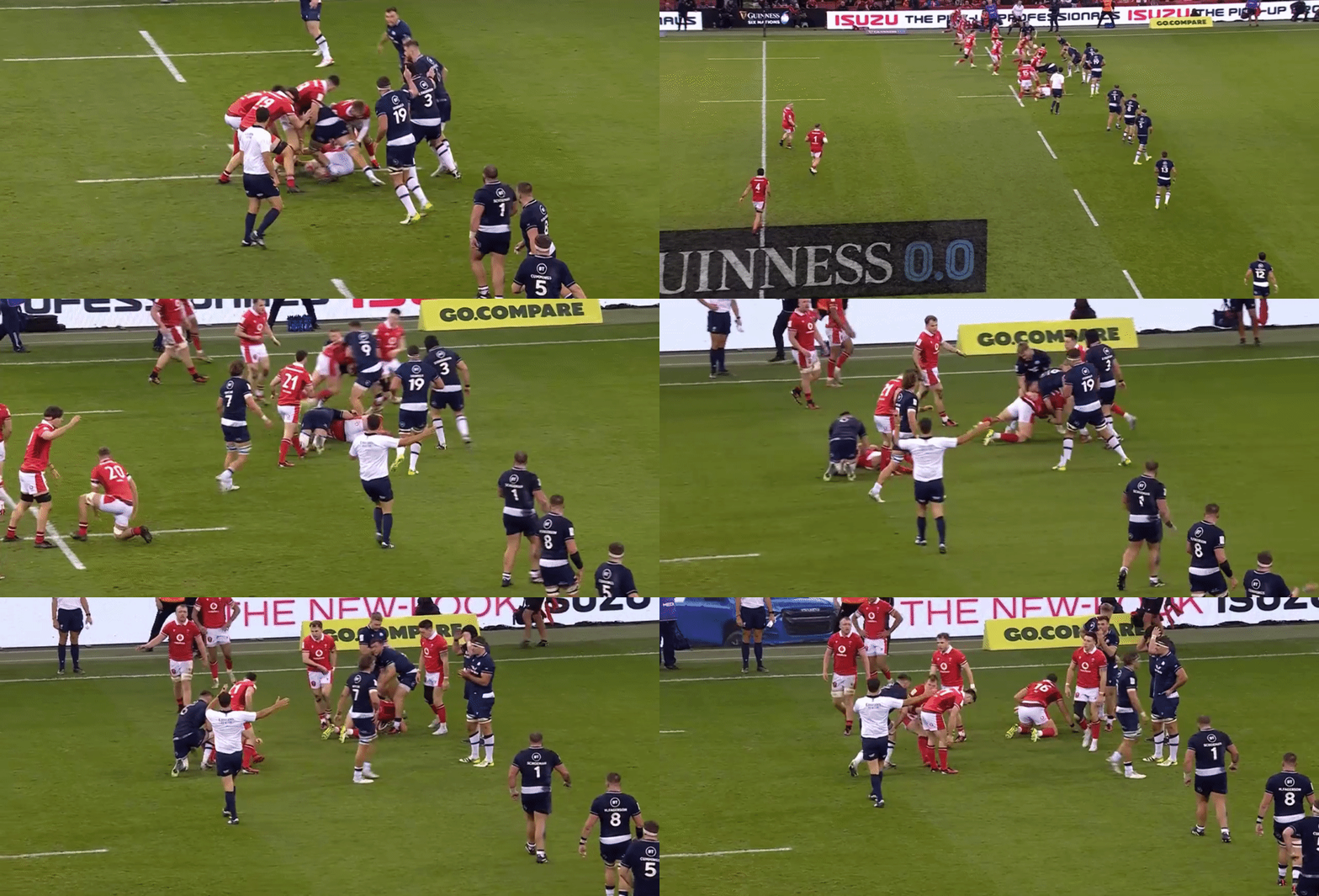
Dee himself is an interesting case study into the way Wales switched things up in the second half. He entered the fray at half-time for Ryan Elias who had made just two carries and three passes in the first 40 minutes, before making eight carries and five passes in the second period as we got our key players possession with considerably more regularity.
There is no better example of this than Rio Dyer’s try, as the men in red go through multiple phases in the red zone, getting main ball carriers running at the Scottish defence with quick ball and on the front foot for three straight phases before play is switched wide to the left wing.
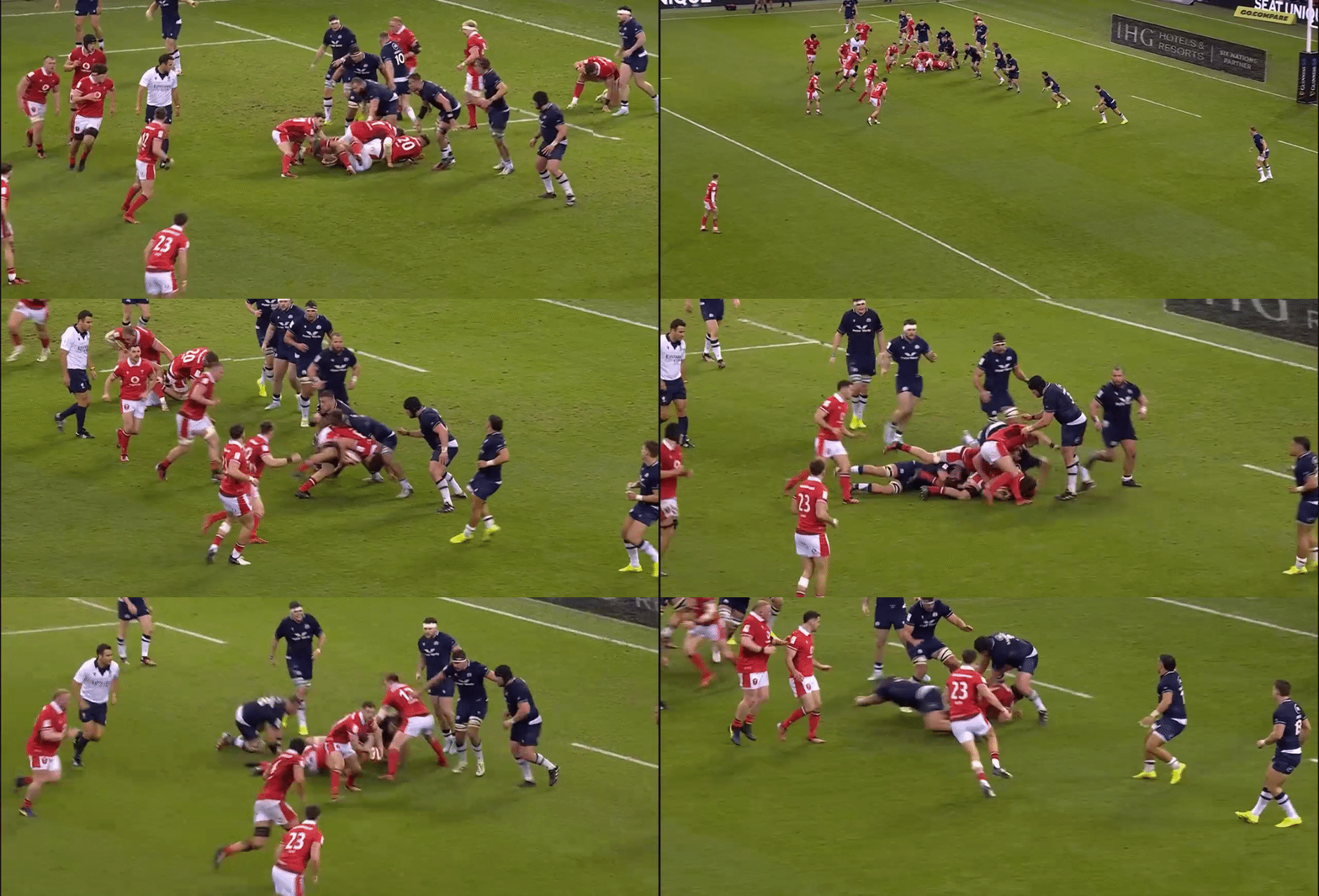
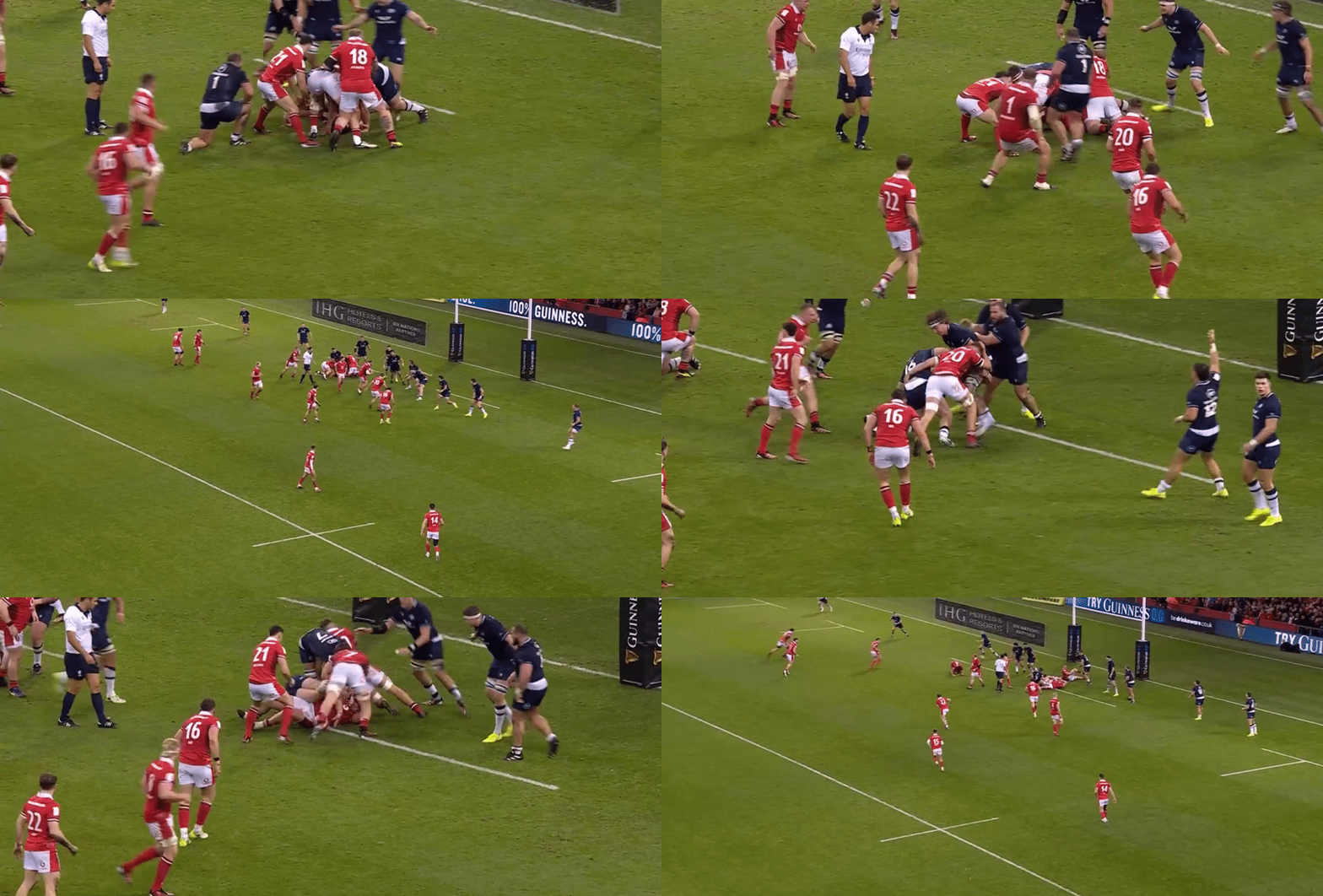
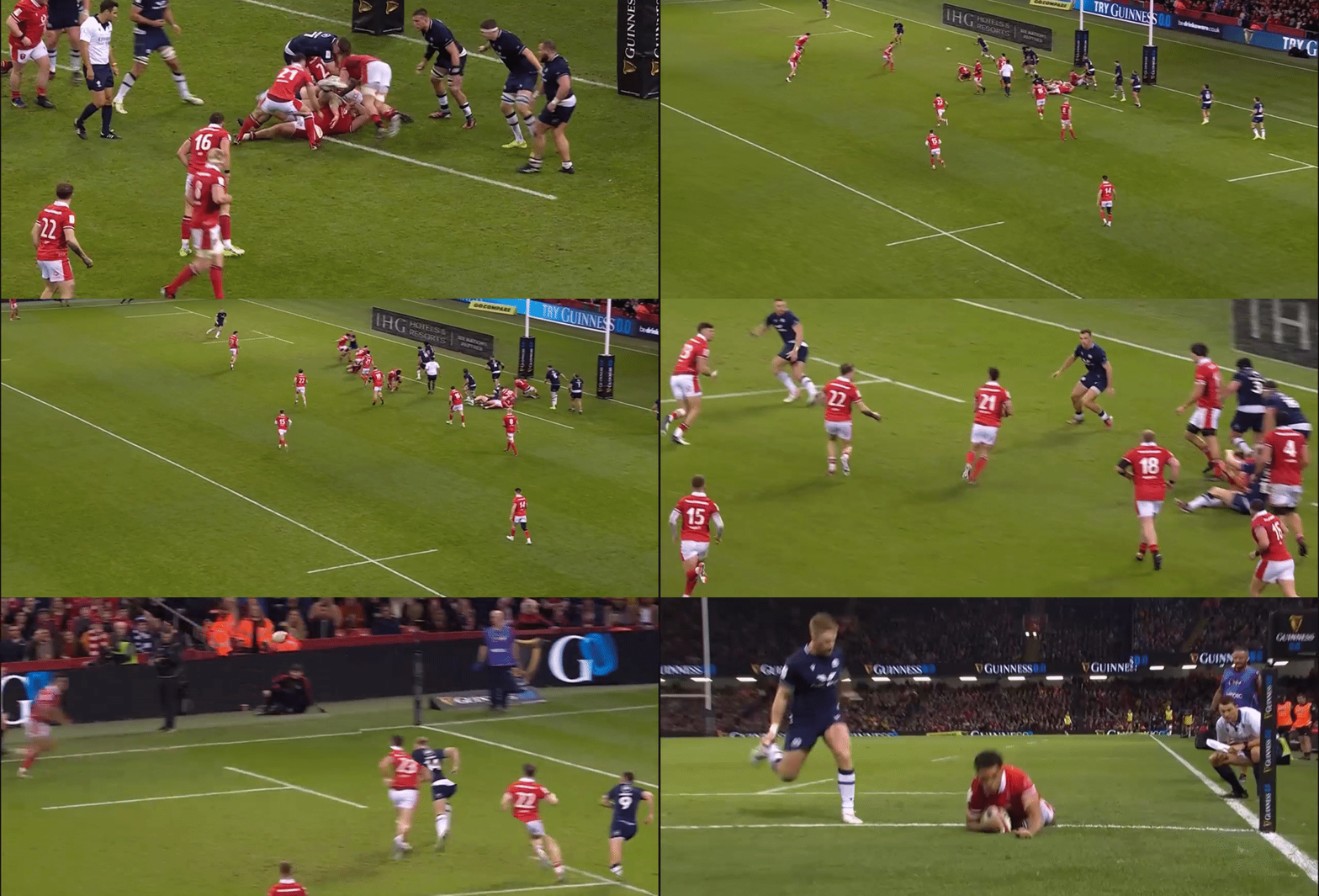
Teddy Williams, followed by Dafydd Jenkins, followed by Corey Domachowski pummelling the defence, forcing them back and tightening them up, before Tomos Williams, Nick Tompkins and Rio Dyer, along with a cast of dummy runners, combine to score an excellent Wales try.
It’s a shame that so much time was wasted with a poorly constructed game plan during the first half, as victory was evidently achievable given the 26-0 scoreline that the final 35 minutes of the game threw up, but the real tester now will be how the coaches approach the game against England in round two.
Firstly, in terms of personnel where the calls will be for changes en-masse, despite them not being necessarily needed. If Tomos Williams and Ioan Lloyd had started the game at half-back, they too would have been playing to the kick heavy, conservative tactics that Wales adopted from kick-off.
And secondly, tactically away at Twickenham where there is a need to be brave. The easy approach would be to revert to the kicking game, beef up the kick chase and just try to stay in the encounter long enough to make it appear as if the men in red were somewhat competitive.
Like Wales though, England are a team in transition. They have new playing personnel, and crucially new coaching personnel, as Felix Jones comes in as defence coach. The high-intensity out-to-in blitz defence that was so successful for South Africa is not something that can be implemented overnight, as we saw in Rome on the opening weekend of the Championship.
The Italians were able to exploit some weak shoulders through midfield, and there was a lot of space on the edges of the defence which I’ve no doubt the likes of Adams, Dyer and Cam Winnett will be eyeing up. If Alex King can devise a game plan that uses clever attacking kicking and elements of the high tempo phase play we saw against Scotland to exploit the spaces left by the blitz, there will be try scoring opportunities.
I hope that freedom to go and attack the space is given to the coaches and players this weekend, and that it forms the basis on which the squad evolution is carried out from. The second half on Saturday was thoroughly enjoyable as Wales showed an intent with ball-in-hand we haven’t seen for some time. Long may it continue.
 Cardiff Rugby Life