 Posted by
 I quite enjoy a bit of the NFL between September and February. I think the American version of Football is a great sport on a tactical level and the league is a really interesting one in the way it’s set up and how teams can be built up or fall away in a matter of months thanks to the contract structures, salary caps and the College Draft.
One aspect I find particularly fascinating is the unbelievable reliance on the quarterback position, both in terms of being the most important player on the pitch, but also as the “face of a franchise”. They are the main results winner and the main money maker commercially. When a quarterback change is made there is a serious level of anxiousness across the fanbase.
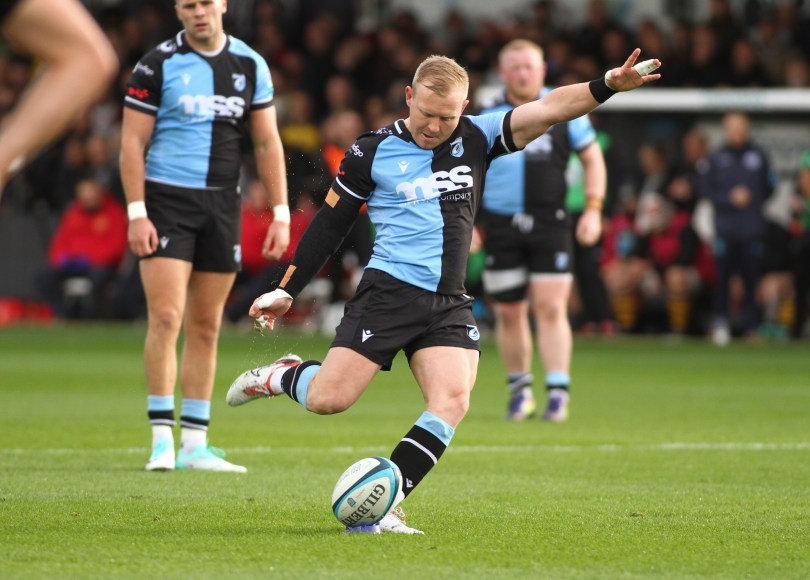
In many respects that feeling was replicated last summer in Cardiff as change arrived at the fly-half position. Now, I don’t mean that fly-half is quite as pivotal to a rugby club’s performance on-the-field or off-the-field as the quarterback is in the NFL, but the 10 jersey in Wales is an iconic one and the Blue & Blacks were emerging from a decade of being relatively settled there.
From Rhys Patchell to Gareth Anscombe and on to Jarrod Evans, with Rhys Priestland, Steve Shingler and, briefly, Nicky Robinson, among the supporting cast, there was a feeling of being relatively secure about what we were going to get from the first receiver position in the back line.
With Evans’ departure to Harlequins and Priestland hanging up his boots though, there was suddenly a large hole in the depth chart at fly-half. Ben Thomas had very few minutes in the position at senior professional level, and was the only 12 in the squad at the time, while Harri Wilde was barely out of school.
Instead we turned to the Currie Cup, and plucked Tinus De Beer from the Pumas…
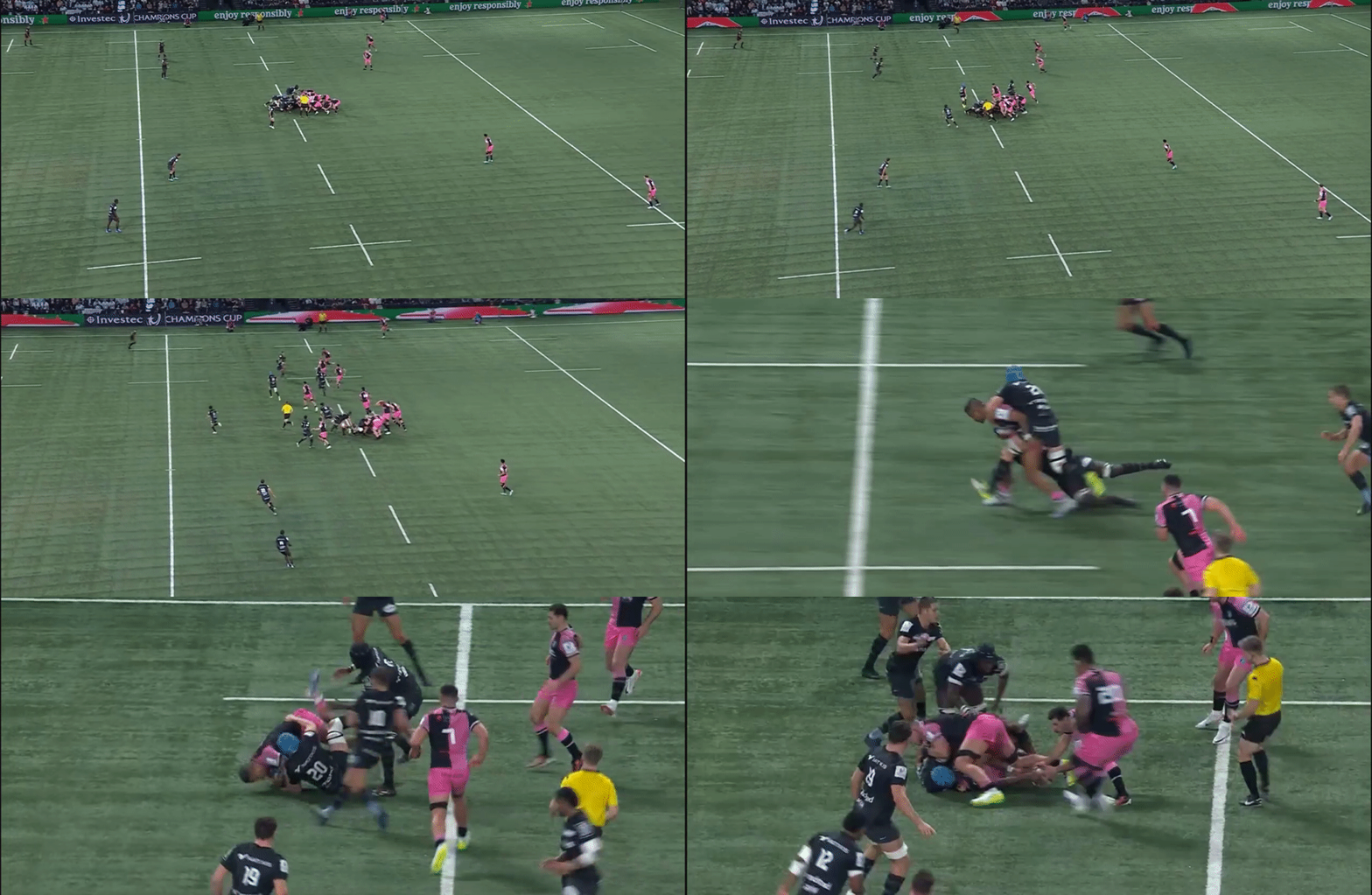
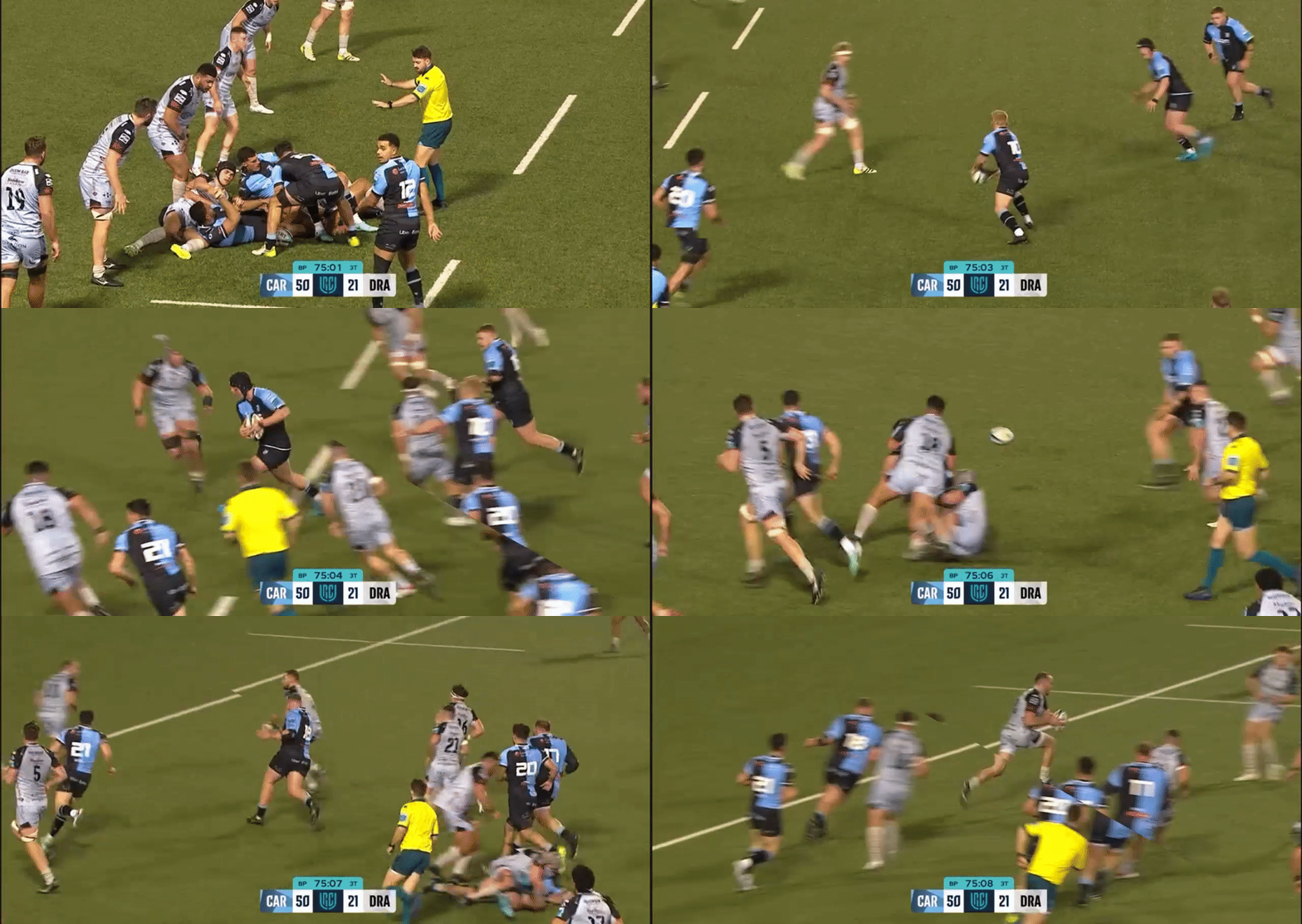
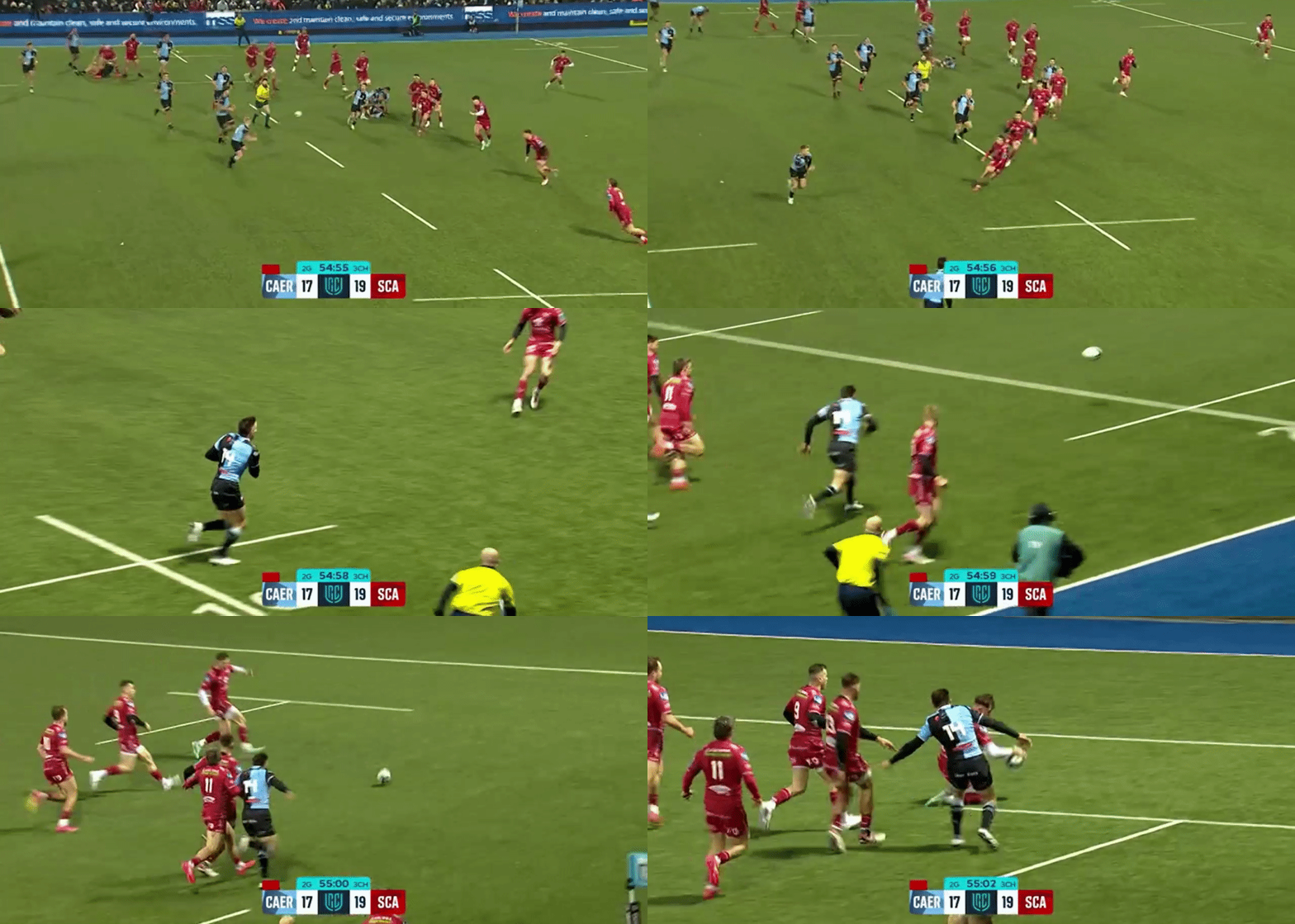
Ahead of his arrival I watched a lot of Tinus De Beer tape from his previous two years with the Pumas in the Currie Cup, a spell where he has enjoyed a lot of success, lifting the trophy in 2022 and finishing as runner-up in 2023.
He was nominated for Currie Cup Player of the Year in the South African Rugby Awards after last season and it was easy to see why, with his running game, passing variation and kicking quality right up there, driving his team around the dry and flat tracks of the rainbow nation. It’s for that reason why his exact qualities were unknown though.
Would his skills transfer to the artificial surfaces of a northern hemisphere winter? And how would he cope with the step up to the top level of professional club rugby? Well, the answers are “yes” and “fine”.
The now 28-year-old made a solid start to life in Cardiff, and has noticeably improved over the intervening five months to the point now where he is looking composed and confident in the 10 jersey. He’s ripping the Dragons apart, as all good Blue & Black 10s should, as well as going to the line at Racing and freeing the arms to move the ball wide quickly at the Arms Park.
Where De Beer has been a pleasant surprise though, and where I think the coaches can get more out of him individually and through the attacking game plan, is when he roams away from first receiver and is in motion wider in the attacking line, threatening edges and asking questions of defenders.
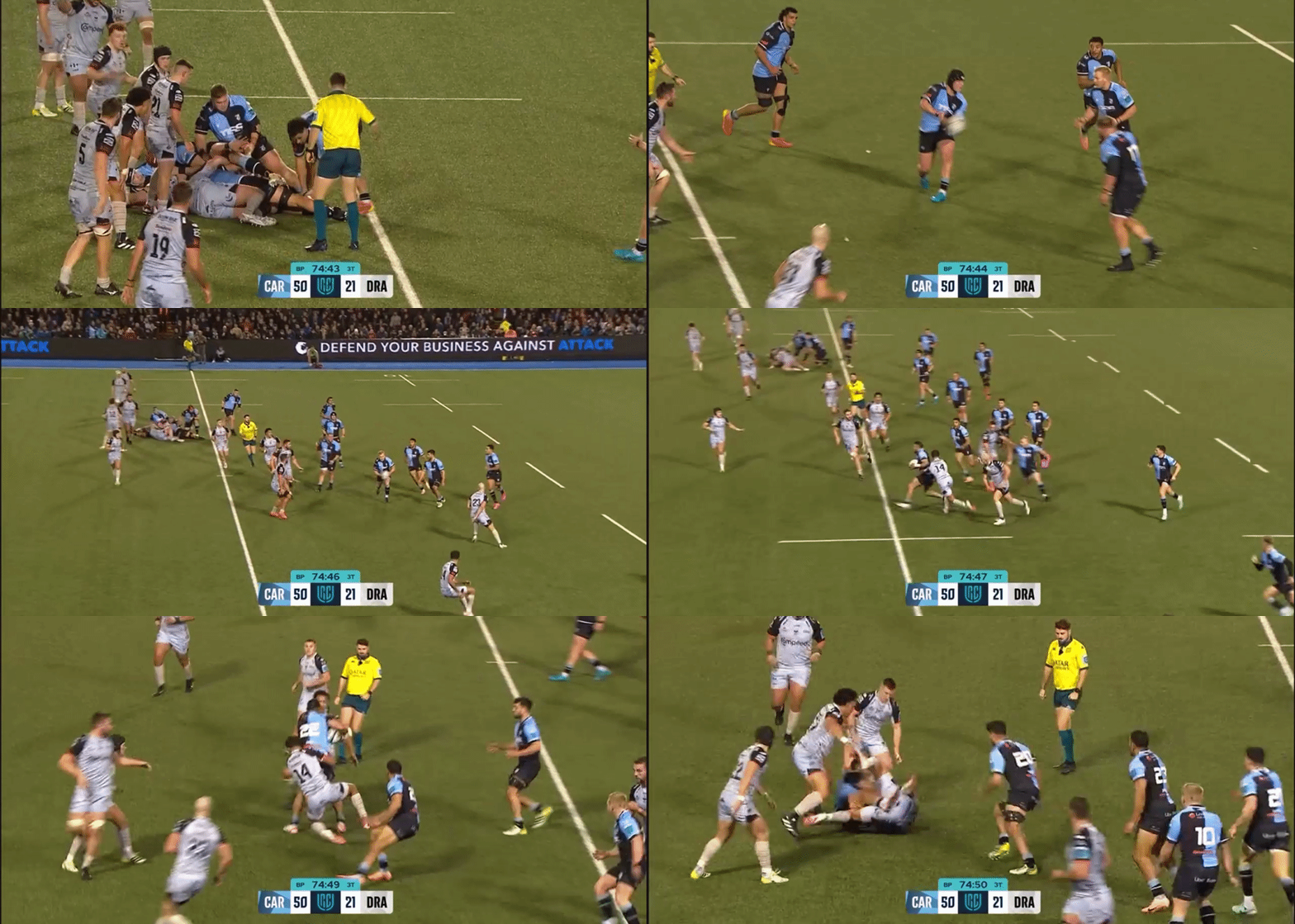
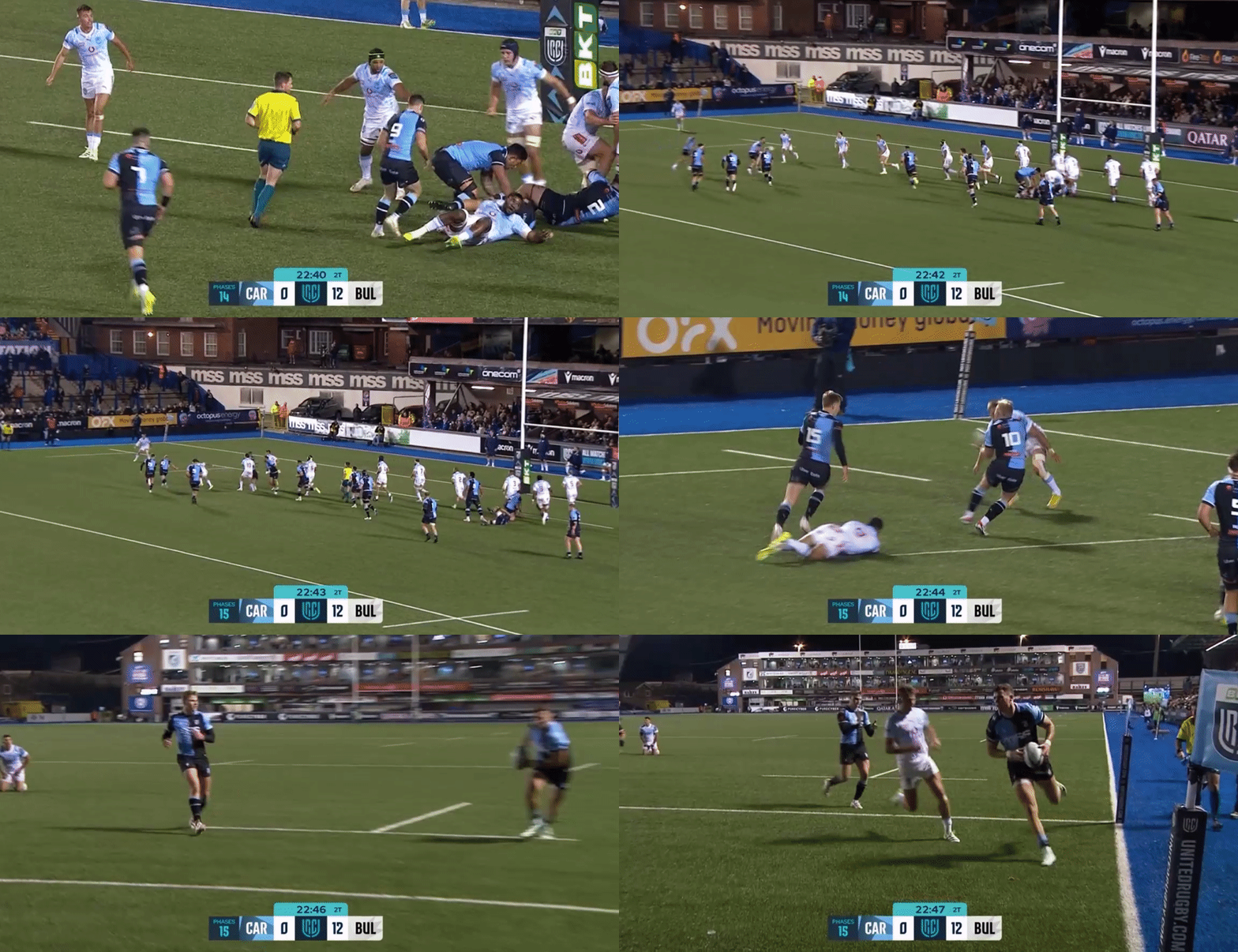
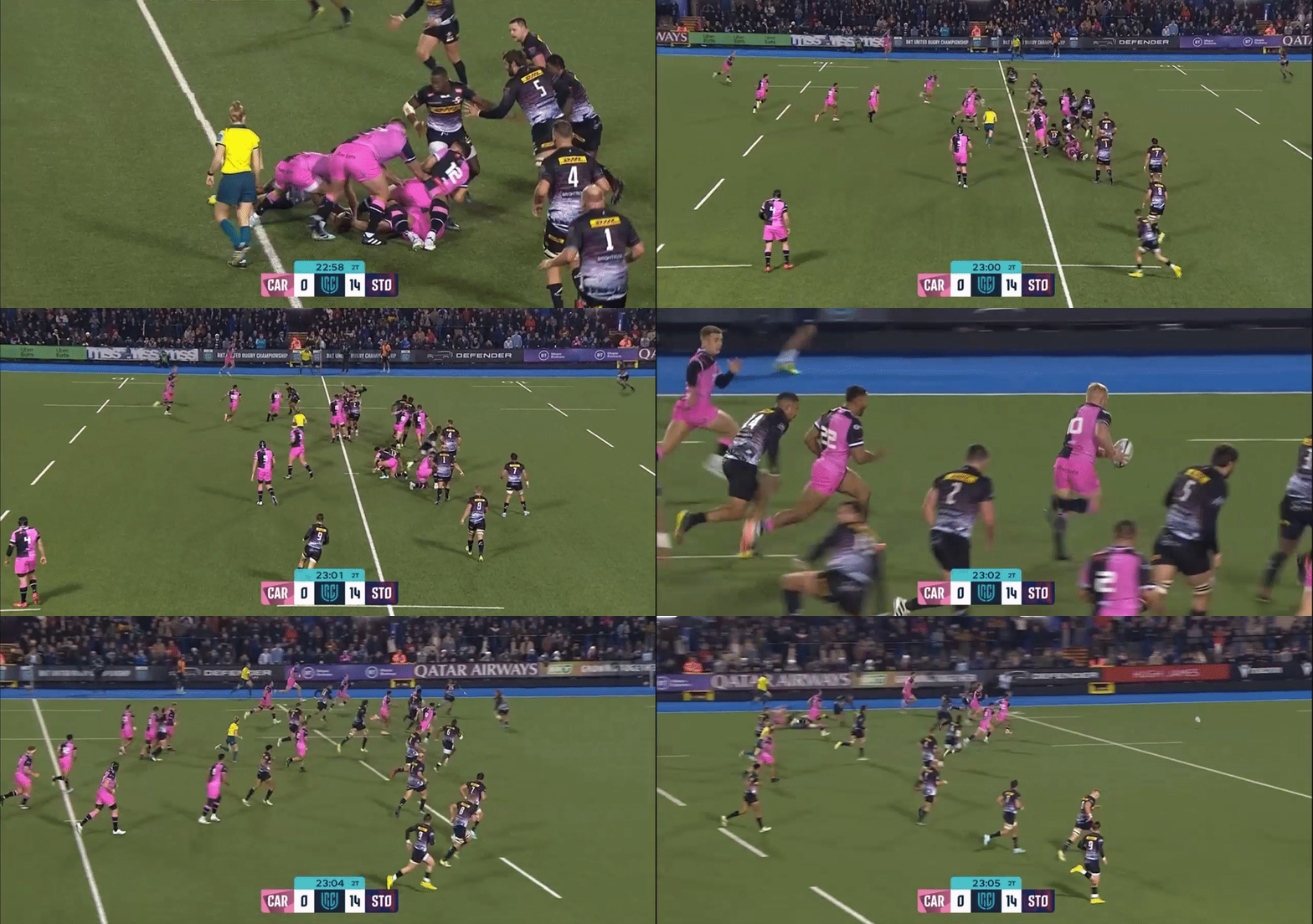
I don’t wish to constantly hark back or unnecessarily compare to what was, but De Beer has brought a lot of the excitement that Jarrod Evans offered in his carrying and creativity. A surprising turn of pace, good footwork and always with the ball in two hands, he has that ability to create something when given a yard of space.
It’s been tough at times with the weather conditions, and there have been games where the platform has not been there to get the fly-half in motion and threatening defences in the wider channels, but when there is that element of freedom the South African really seems to thrive in putting opposition players in difficult positions and making the right decision to attack the space created.
What I’d also like to see more of is the attacking game plan incorporating a greater variation of attacking kicks to take the sting out of opposition defences, as De Beer has shown the vision and right boot to execute a wide range of kicks.
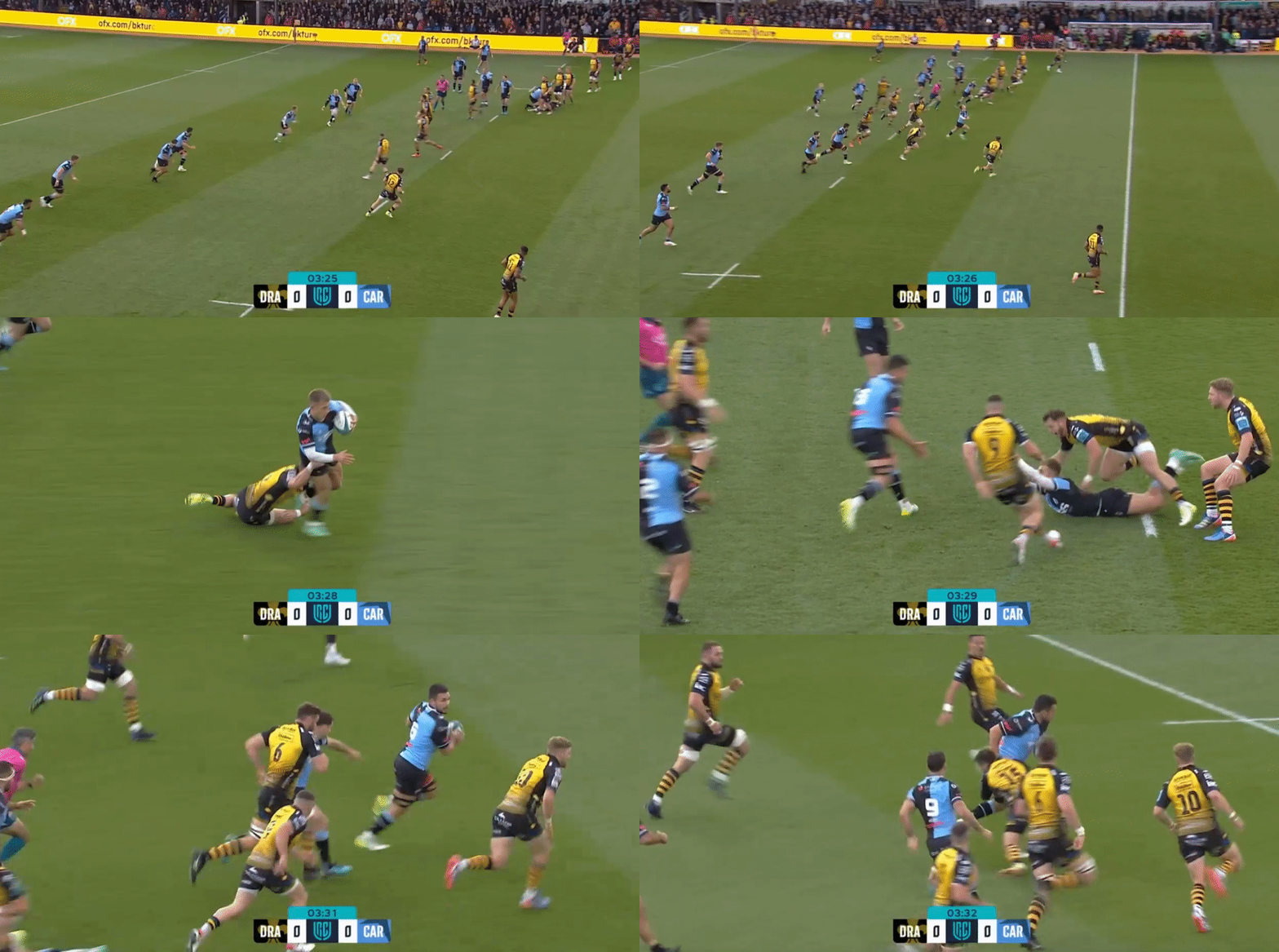
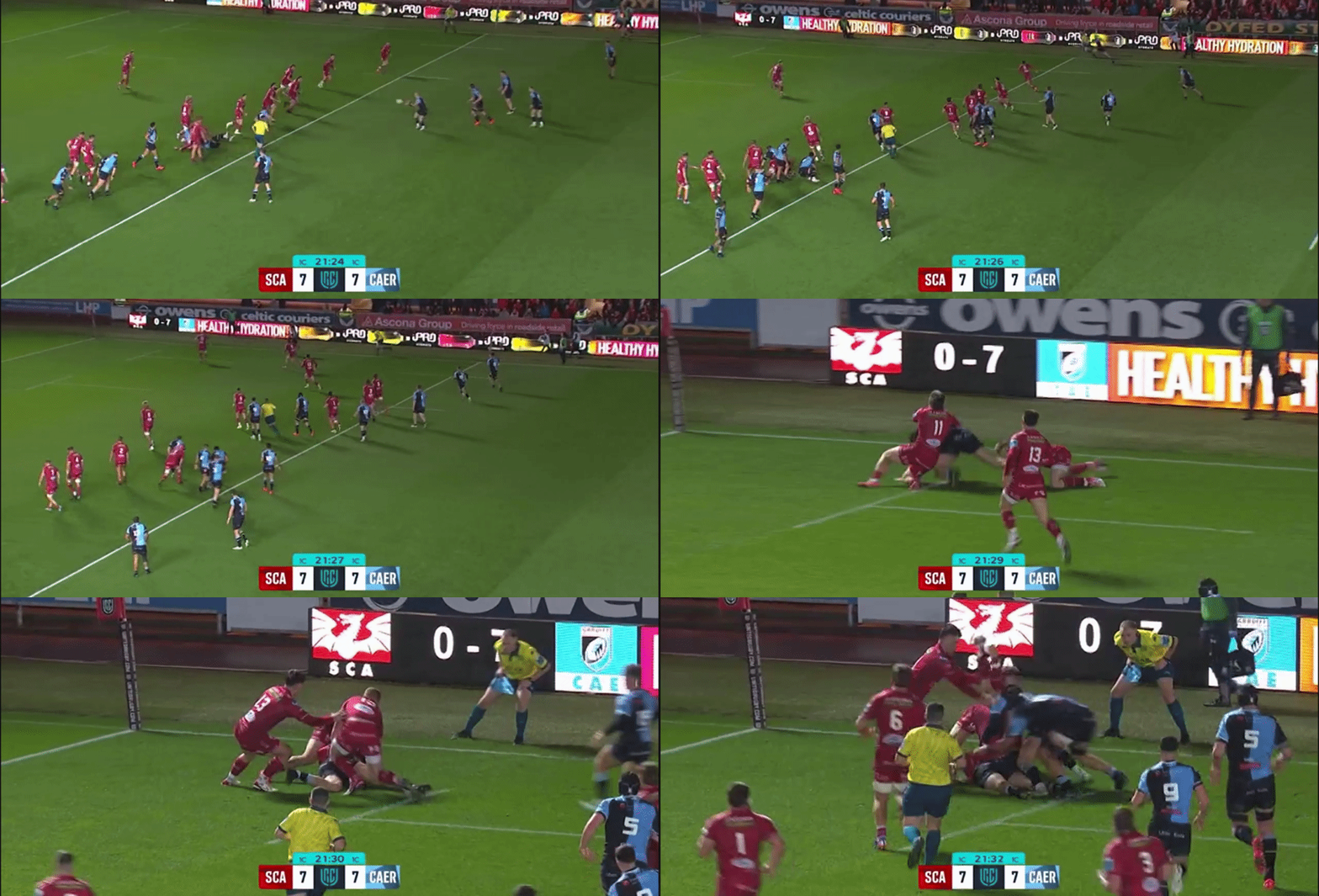
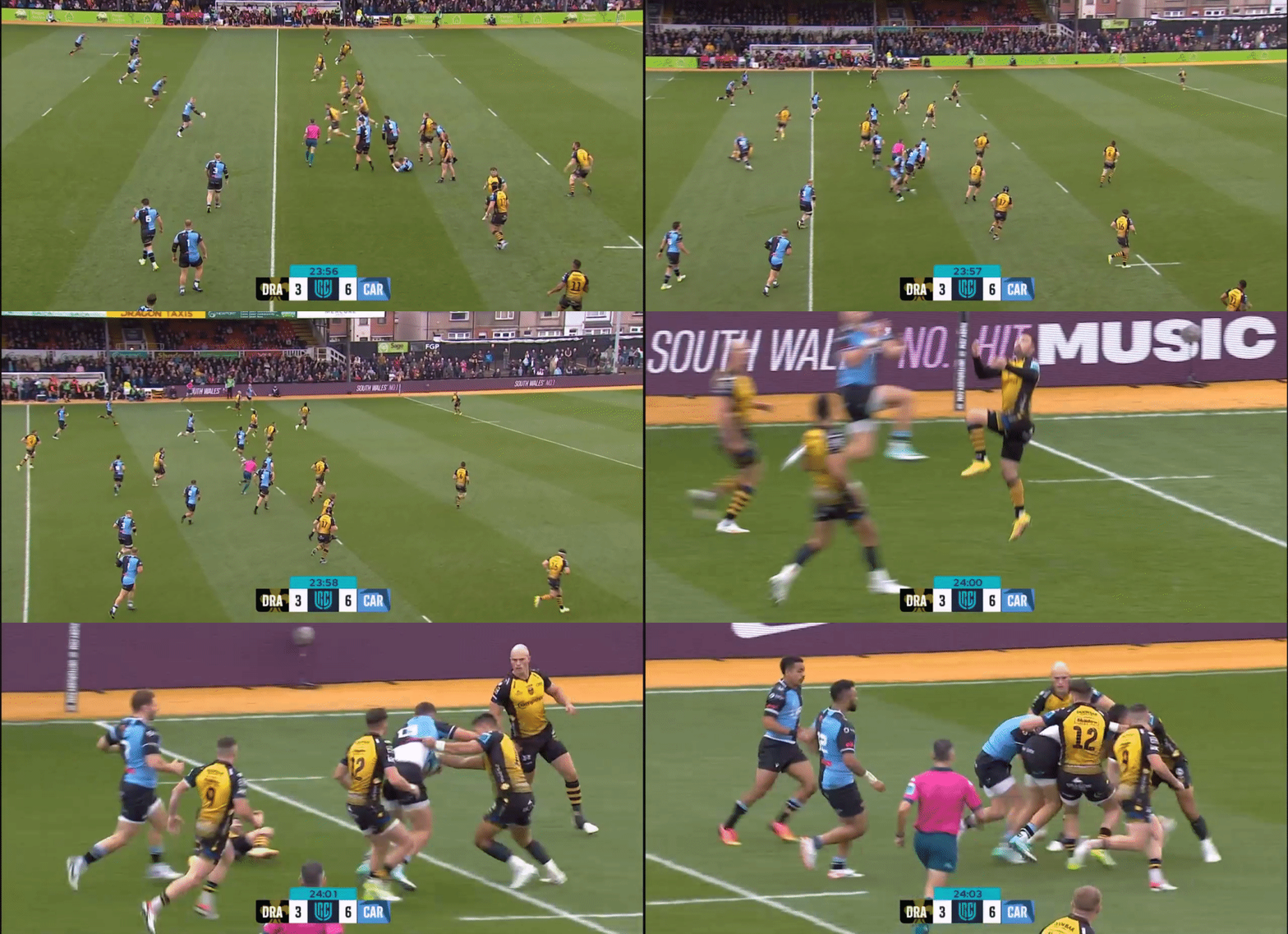
At times it can feel like De Beer’s kicking execution is hit-and-miss, but my feeling is that there’s an inconsistency to our kicking tactics. In the Welsh derbies, with all the clips above coming from games against Dragons and Scarlets, we kicked to compete a lot and got a good return from that. Away at Racing it felt like we kicked for territory more and made them play from deep which kept us in the game until late on.
However, against Connacht recently the kicking strategy wasn’t obviously coherent, it seemed to be very reactive rather than proactively kicking to a plan. With De Beer at 10, having him kick regularly will help improve his kicking consistency, and when we do that his execution leads to greater possession, greater territory and greater points scoring opportunity, as we have excellent aerial operators throughout our back three ranks and even into our loose five forwards.
Especially with Callum Sheedy returning to the Arms Park next season, a master of the kick-pass and attacking kicking generally, making that area of the attack a USP for Cardiff would have huge benefit, and De Beer can kick start that now as the above clips show.
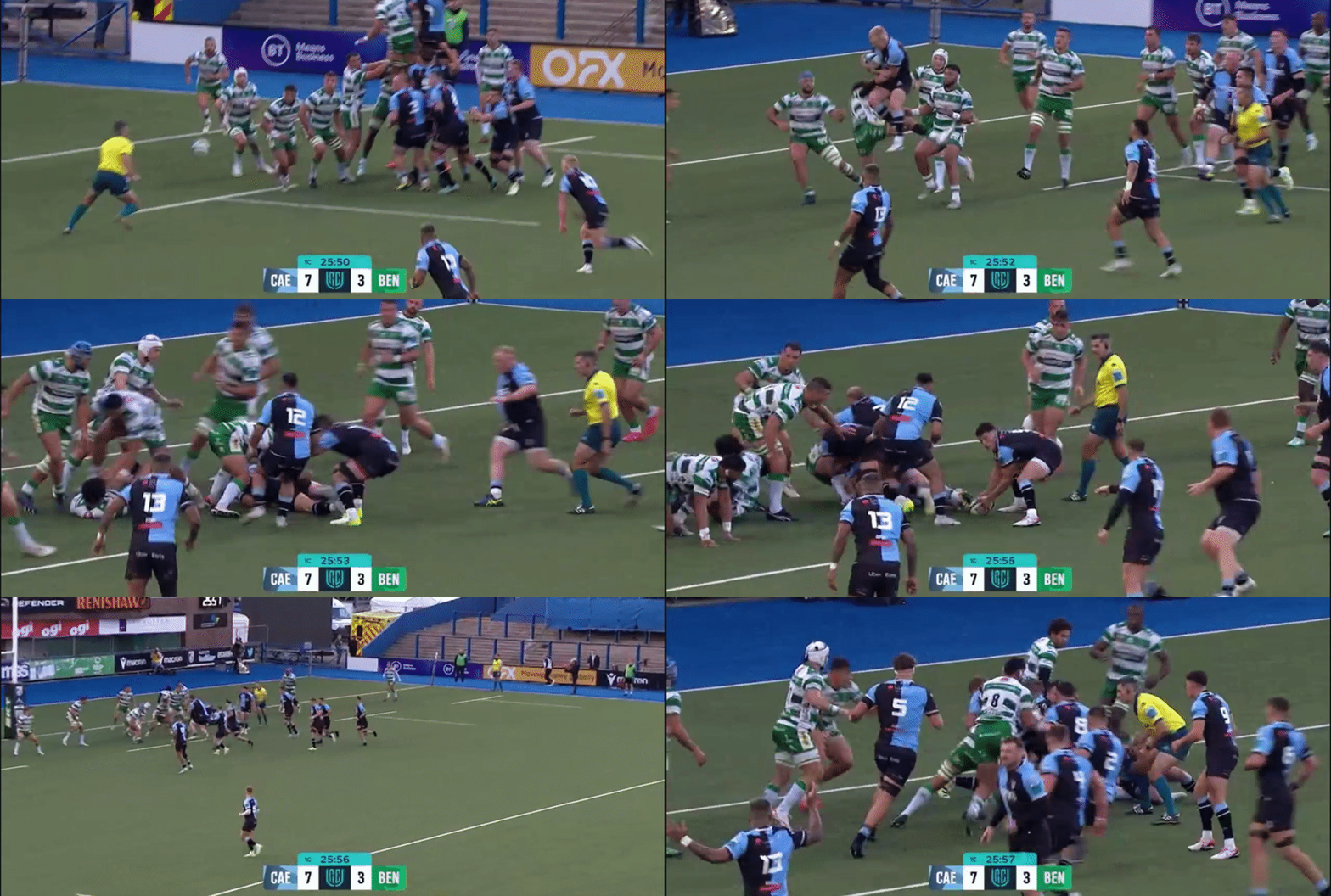
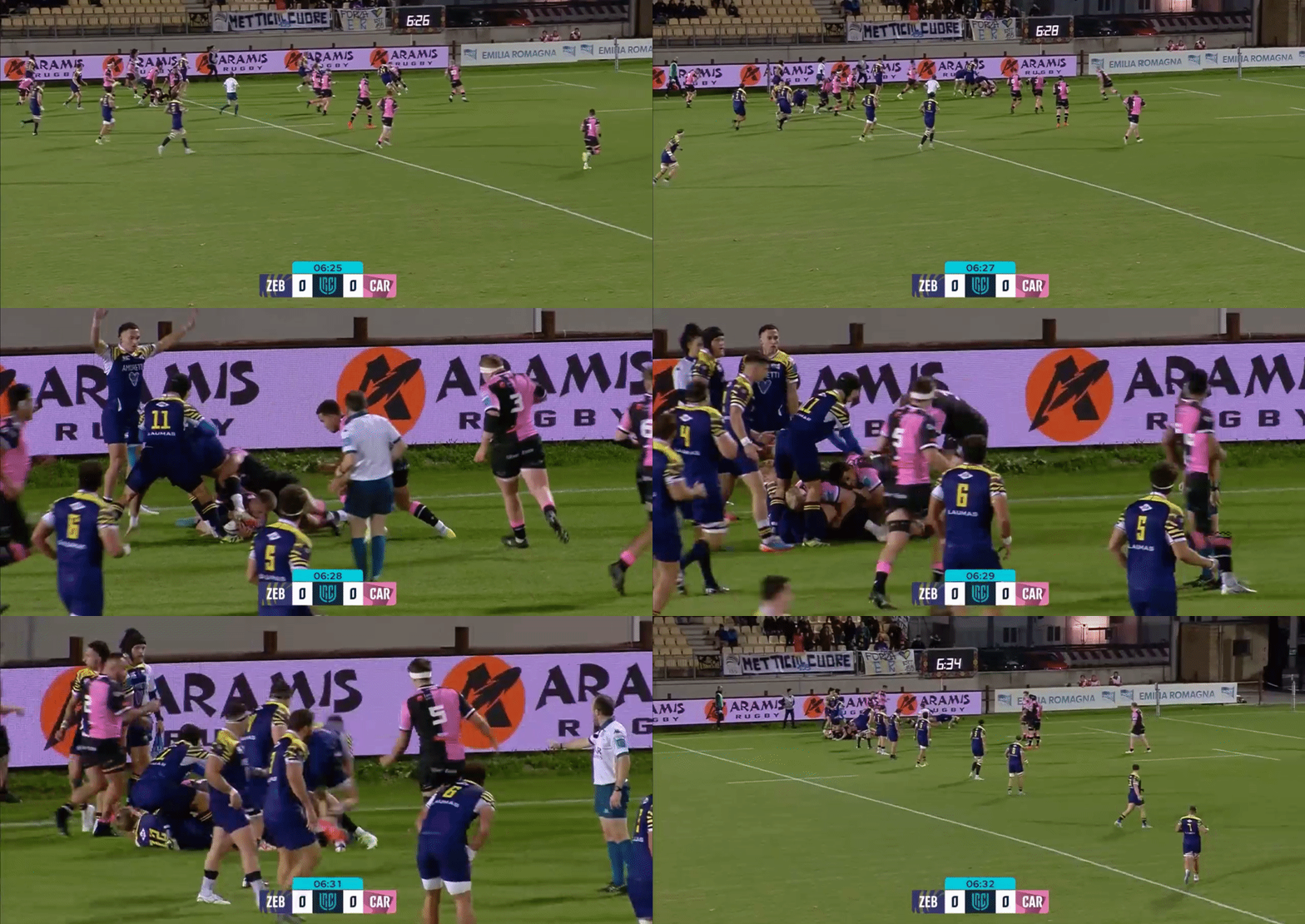
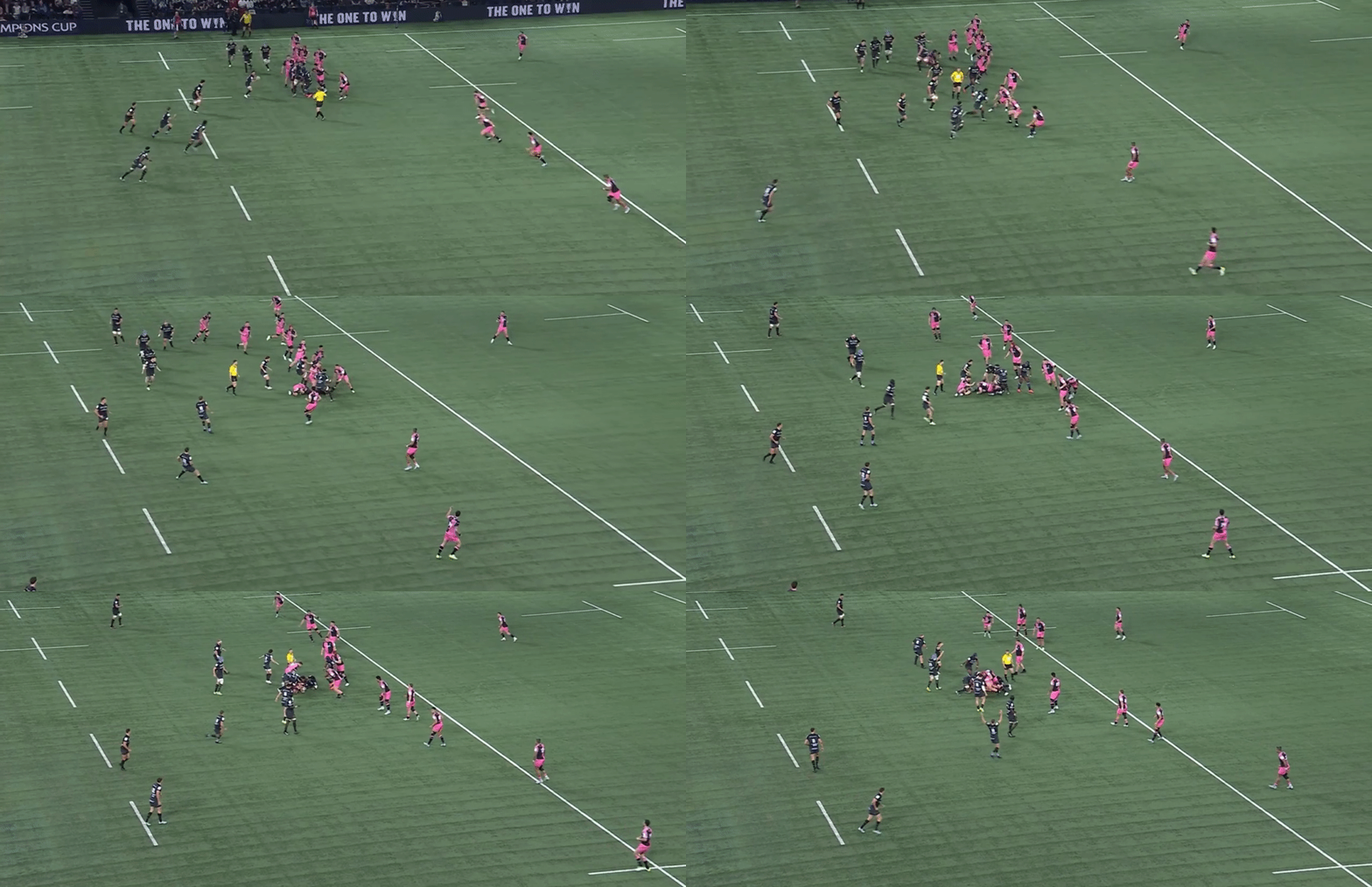
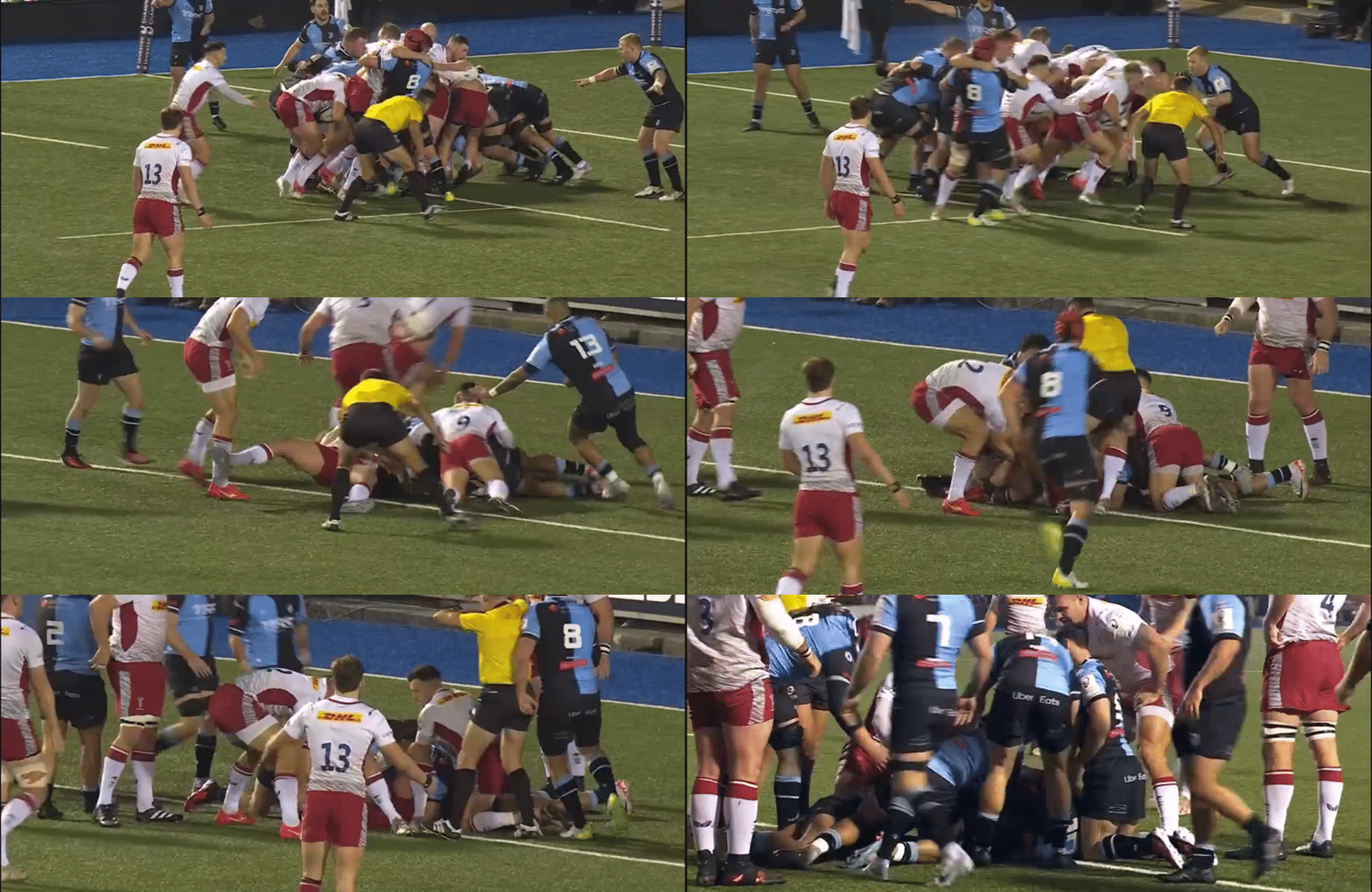
No look at Tinus De Beer is finished off without the extras that he’s offered Cardiff this season. His jackal turnovers have received a good amount of coverage, but even beyond that it is legitimately like having another flanker on the field.
Only Cardiff could sign a new fly-half that is also a back rower!
Mopping up loose balls, cleaning rucks, holding ball carriers up over the line and winning ball rip turnovers in contact, the guy is incredibly physically robust. Having that confidence in your fly-half defensively is a huge boost for the defence coach and just gives Cardiff the extra one-percenters that are required to win tight games.
It’s also been a major part of why De Beer has quickly become a bit of a cult hero at the Arms Park, shutting up some critics of his signing and early season performances, starting every game of the season so far on the way to playing 1,043 of 1,120 minutes, and adding extra strings to his bow as he has grown along with the team around him.
With his season-long availability, obviously strong communication on the field and seemingly good standing in the squad generally, he is set to be an important piece of the Cardiff puzzle for the next few years, and hopefully an indicator of the smart recruitment to come ahead of 2024/25.
 Cardiff Rugby Life