 Posted by
 If you were to look at Cymru’s results since the 2022 Rugby World Cup, it would probably strike you as quite a mixed bag for Ioan Cunningham’s women.
Four wins and five losses across the 2023 Six Nations, one-off test matches and the WXV1 series leave the national team with a losing record. Some heavily one-sided wins; 31-5, 10-36 and 38-18 over Ireland, Italy and USA, respectively, were the high points but France put 39 points on us, England 59, Canada 42 and New Zealand 70.
It leaves Cymru in a weird middle ground where we are better than the likes of Ireland, Italy, USA, South Africa and Scotland, but still comfortably behind the top teams of France, England, Canada and New Zealand. Only Australia are in a similar boat to us, desperately attempting to bridge the gap to the best sides but struggling to do so.
That’s not going to happen overnight; the serious investment in the Women’s Performance Programme has only been in place for just over two years, with professional contracts for slightly less time than that. Bringing the development pathway up to speed has been even more recent, meaning the results of that focus will only be fully seen from around WXV 2025 at the absolute earliest.
There are plenty of positives to build on from 2023 though as individuals put their hands up as top class operators and areas of Wales’ game develop into real weapons.
The likes of Sisilia Tuipulotu and Georgia Evans have emerged as genuinely world leading talent at tighthead and lock, respectively, while the hooker battle between Kelsey Jones and Carys Phillips continues to rage, Alex Callender, Bethan Lewis, Alisa Butchers and Kate Williams fight for the back row spots, Keira Bevan continues to improve at scrum-half and Jasmine Joyce is a superstar in the back three.
With the scrum becoming a big focal point for this Wales team, the maul improving all the time and the forwards power game in open play offering a major platform, there are the makings of a really strong side there who, as the national team remain professional and the development pathway produces more and better players, can begin to compete with the top nations in the world.
In the short term though Ioan Cunningham and his coaches need to develop a game plan that gives the women the best chance of being competitive, a blueprint to build the squad around and start to hone in on certain skills rather than developing a wide base of skills after becoming professional, with picking a first choice fly-half a big part of that.
For over a decade Elinor Snowsill was the heartbeat of the Wales side, winning 76 caps and dominating the famous red 10 jersey. The trademark wrap around play bamboozled many a defence with the Cardiff-raised legend always an attack-focused running 10 who made plenty of her own line breaks as well as putting others through gaps throughout her career.
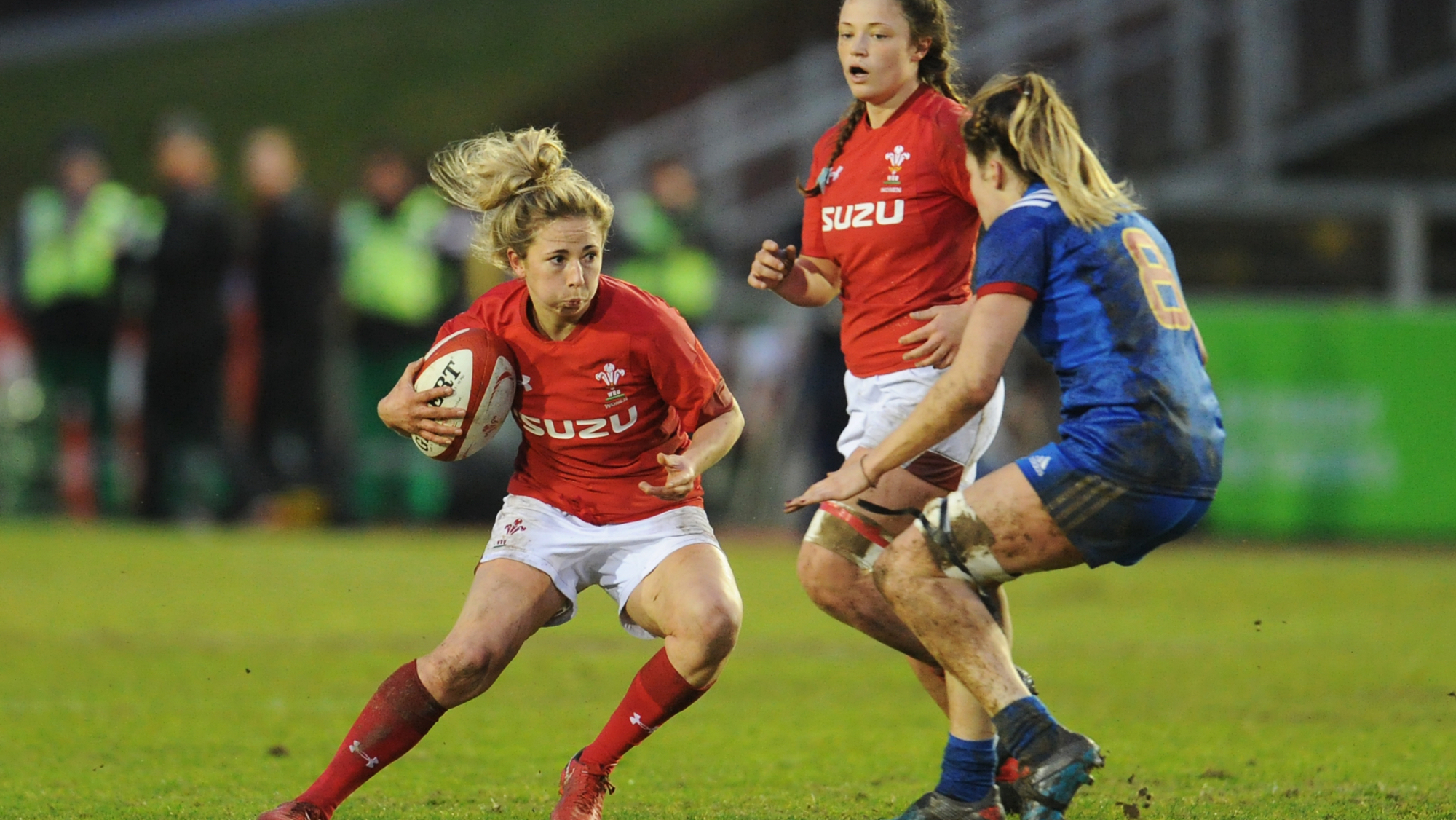
Now though, with the increased level of professionalism, improved coaching and higher standards of strength & conditioning in the women’s game, defences are better than ever. Organisation, speed and physicality have all taken a step up, as have breakdown skills with turnovers a lot more common.
What we saw in WXV1 was Wales trying to overplay in our own half and getting turned over, either immediately conceding field position or a penalty with which the opposition could choose to go for points or pile pressure on. It also puts something in the back of the referee’s mind about the opponents being the dominant team and leaving the women in red on the wrong end of the penalty count.
It was particularly prevalent when Robyn Wilkins started at 10 or came off the bench, a similar style fly-half to Snowsill who’s strengths lie in her running and distribution, but not so much in her tactical kicking. When we did move the ball well we caused problems, but that turnover count just continued to tick over and turn the tide of games.
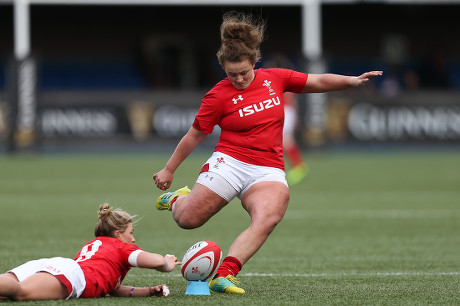
On the flip side Lleucu George was preferred in the 10 jersey for the final two rounds of WXV1, and her kicking out of hand was a huge asset to the team. A booming right foot that pinned opponents back, gave Wales the opportunity to recover the ball and won field position when kicking penalties to touch. However, creativity in open play was reduced.
With Wilkins not included in the Six Nations squad it seems almost certain that George will lead the team at 10 to at least begin the tournament. Niamh Terry, who has largely played at full-back so far in her career, and the uncapped Mollie Wilkinson who caught the eye playing for Brython Thunder in the Celtic Challenge, will act as the backups.
Therefore the hope is that training camp has focused on developing the conditioning and transition game to capitalise on the kicking game of Gloucester-Hartpury 10, as well as the power game of the forwards and the red zone attack of the backs to be as clinical as possible with the field position that leads to.
If Cunningham & co can get it right, secure buy-in from the players and start to demonstrate it on the field, then that gap to the top few teams can be cut by the time the next Rugby World Cup comes around, but if we struggle to develop our DNA then we risk remaining in that awkward middle ground forever, and possibly drifting more towards the chasing pack as they improve.
There’s been some huge steps taken in recent years, now is the time to regenerate that momentum by honing in on the details.
 Cardiff Rugby Life
One comment