 Posted by
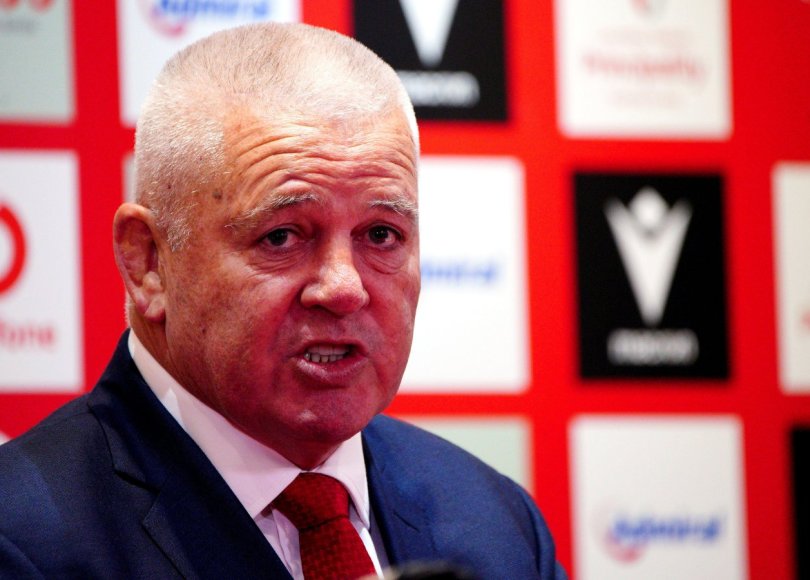
 When the Welsh Rugby Union smuggled the findings of their in-depth review into the performance of the men’s national team out at 3pm on the Friday before Christmas, the opening line to the article on their website was striking.
“Warren Gatland has been challenged to lead Wales to success in the 2025 Guinness Six Nations”
Interesting. Has he not been challenged to lead Wales to success before? Perhaps not, it is 12 test losses in a row since the quarter-final of the 2023 Rugby World Cup. A whole calendar year of losses in 2024. That’s not much success in anyone’s book.
More pertinently though, what is success for Cymru at the moment? Welsh rugby is in a real hole for a number of reasons; a failure by the Welsh Rugby Union to re-invest in the game during the golden generation, Wayne Pivac’s inability to evolve the squad away from that group of players, and the financial restriction the pro game is operating under.
The latter of those has seen a number of players head to ply their trade outside of the country, restricting their availability for the national team camps, while those still at one of the four pro clubs are constantly bouncing around the lower reaches of the United Rugby Championship and the Challenge Cup. Don’t let Cardiff’s current spot in the URC table deceive you.
In those circumstances is it even possible to put together a successful Cymru side? There’s a lack of international experience in the player pool, a great chasm where the players aged 26-30 should be due to clinging on to the previous generation for so long, and not enough of the young players regularly being involved in big games and winning environments.
If the answer to that is no then maybe success could be found in slowly building up a group of young players over the next few years? With Welsh rugby finances hopefully recovering to just off being competitive, rather than tragically low as at present, then getting a group of talented prospects together and bringing them through as a core of the squad could be beneficial in the medium term.
With the WRU refusing to define what the success they’ve challenged Warren Gatland to achieve is, the answer may have been found in the squad selection for the 2025 Guinness Six Nations.
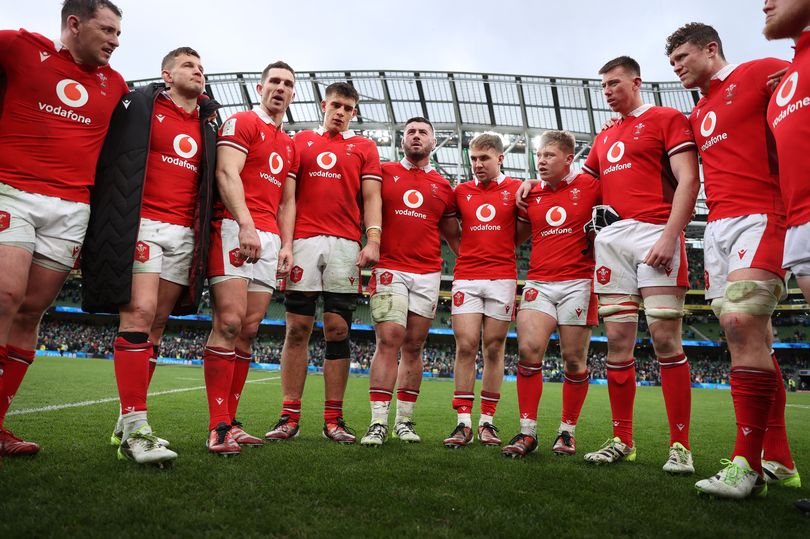
When the 34-man playing group was released the eyes immediately noticed two names that weren’t there; Max Llewellyn and Cam Winnett. Two backs still early-ish in their careers, at 25 and 22 at the time of the announcement, who only really broke into the national team during 2024 and would be ideal candidates to be part of that core of young players to build around.
Put ahead of them in the pecking order for this tournament were the likes of Owen Watkin (28, 42 caps), Nick Tompkins (29, 38 caps) and Liam Williams (33, 92 caps). An older and internationally experienced trio, good players but not selections with an eye on the future, very much picked to try and win right now.
However, the eyes then flick to the fly-halves in the squad. Gareth Anscombe (38, 33 caps) started two of the three Autumn Internationals in the 10 jersey but fast forward two months, during which he’s featured regularly for a highly functioning Gloucester side, and he’s not in the Cymru squad at all. In his place is Ben Thomas (26, 7 caps) who plays at 12 for his club and Dan Edwards (21, uncapped).
At this point it’s over to direct quotes from Gatland – “We know Gareth has a lot of experience. One of the things we talked about is he’ll be 36 by the next World Cup, so will he be around? We need to develop some options and experience.”
That’s fine, but it flies directly in the face of the selections at centre and full-back. Even at tighthead the third choice spot was open to give a young player like Ben Warren (24) some experience, but instead it is WillGriff John (32) who got the nod on the back of barely 200 minutes of game time for Sale Sharks across the course of the season.
In the end it’s just more confusion coming out of the WRU and the Cymru Men’s camp. What we are trying to achieve is unclear, how we’re trying to achieve it is unclear. All that is clear is that there is another review just waiting to happen at the end of March, more corporate jargon to spew out on days and at times when the least attention is on it, and more mediocrity to experience going forward.
How long is it until the review points out that there is a lack of direction from the top of the organisation, and a lack of competency within an out-of-touch coaching team to guide this team even if that direction were in place?
Until then it seems we’re stuck in the purgatory of no money, no success and no improvement.
 Cardiff Rugby Life