
 Posted by
 I reckon that if you did a snap poll of Cardiff supporters last summer when Johan Mulder was announced as a signing, no more than five would honestly be able to say they knew who he was.
In fact, it wouldn’t shock me if the number was exactly zero.
The South African scrum-half had flown very much under the radar even in his homeland prior to arriving in South Wales. Coming through at the Bulls he didn’t make the step up to the first team so switched to the Griquas in the Currie Cup and impressed enough for Lions to come calling. However, opportunity was limited there too.
Mulder randomly spent time training with Cardiff while the club were on the now annual trip to the Rainbow Nation last season, and once again impressed enough to earn a contract. Brief glimpses against Zebre and Edinburgh were not initially eye-catching, but after spending some more time adjusting to northern hemisphere rugby in training the 25-year-old has returned to the matchday squad with aplomb.
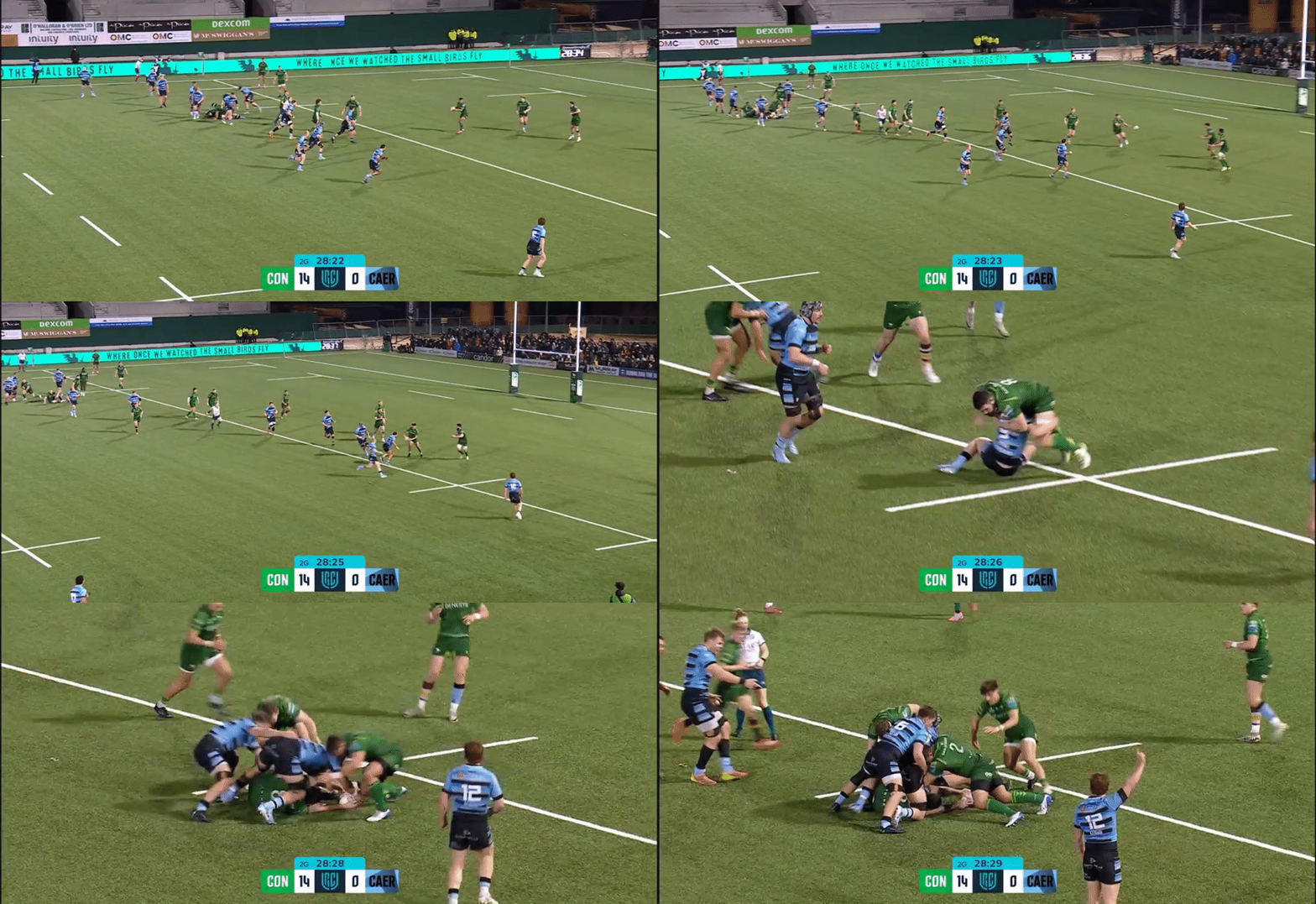

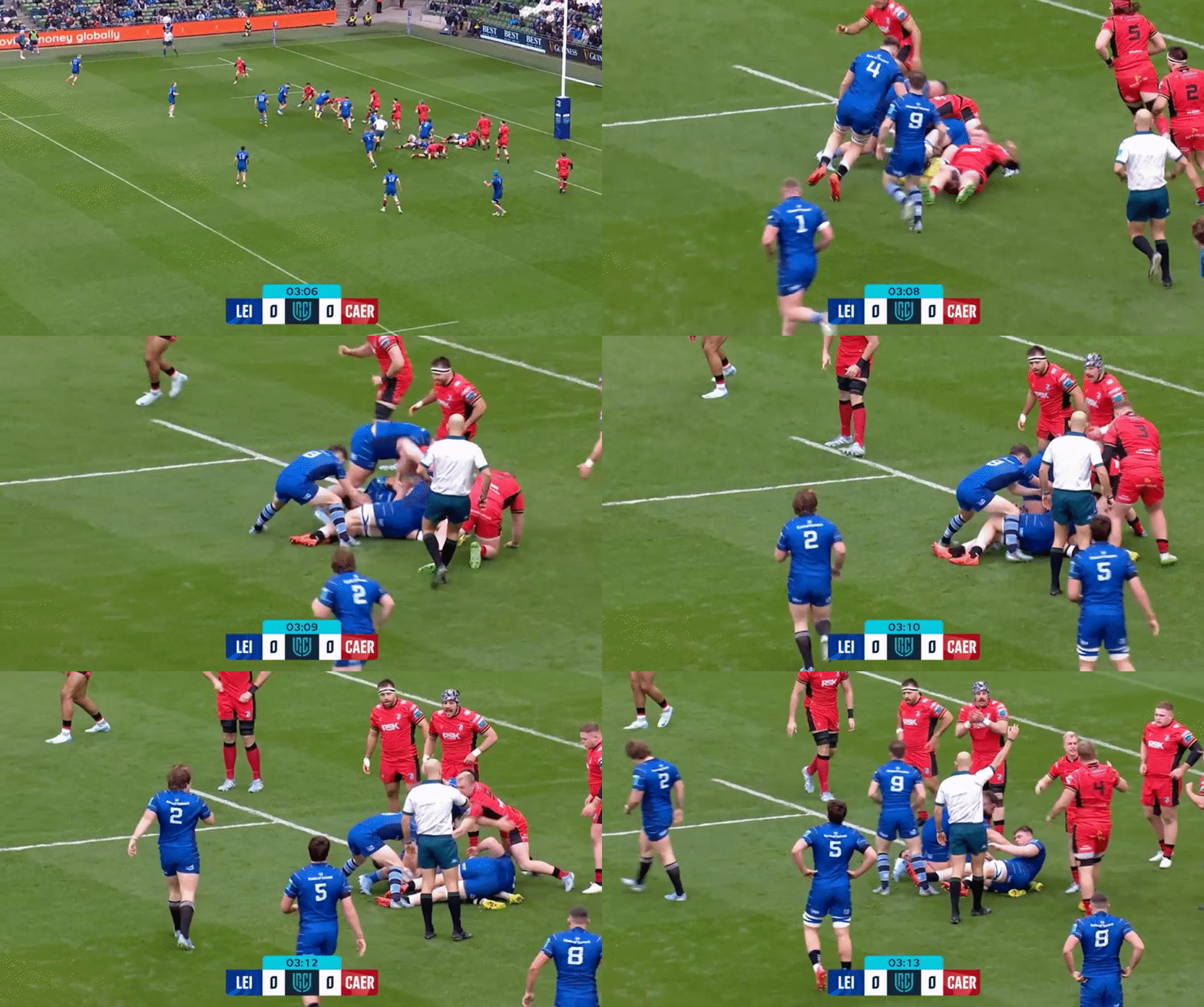
After coming back into the Cardiff team for the Challenge Cup rounds prior to Christmas, and then really standing out off the bench in rounds three and four after the festive period, Mulder rightly earned the starting role against Sharks at the Arms Park ahead of the Six Nations getting underway, impressing against his fellow South Africans before backing that up away at Connacht and Leinster.
I’ll get on to the nuts and bolts of his scrum-half play later, but a common theme among cult heroes at the Arms Park is an immediate display of effort and commitment to the cause. For Mulder, that has come in his defensive work where he covers a significant amount of ground and has put up some serious numbers.
So far this season he has 249 minutes of United Rugby Championship action, yet has made 40 tackles in that time, meaning he’s making a tackle roughly once every 6.25 minutes. That would see him average almost 13 tackles a game, quite remarkable stats for a scrum-half. Usually it’s not ideal to have your half-back putting in that much defensive work, but as we’ll see it doesn’t detract from his attack at all.
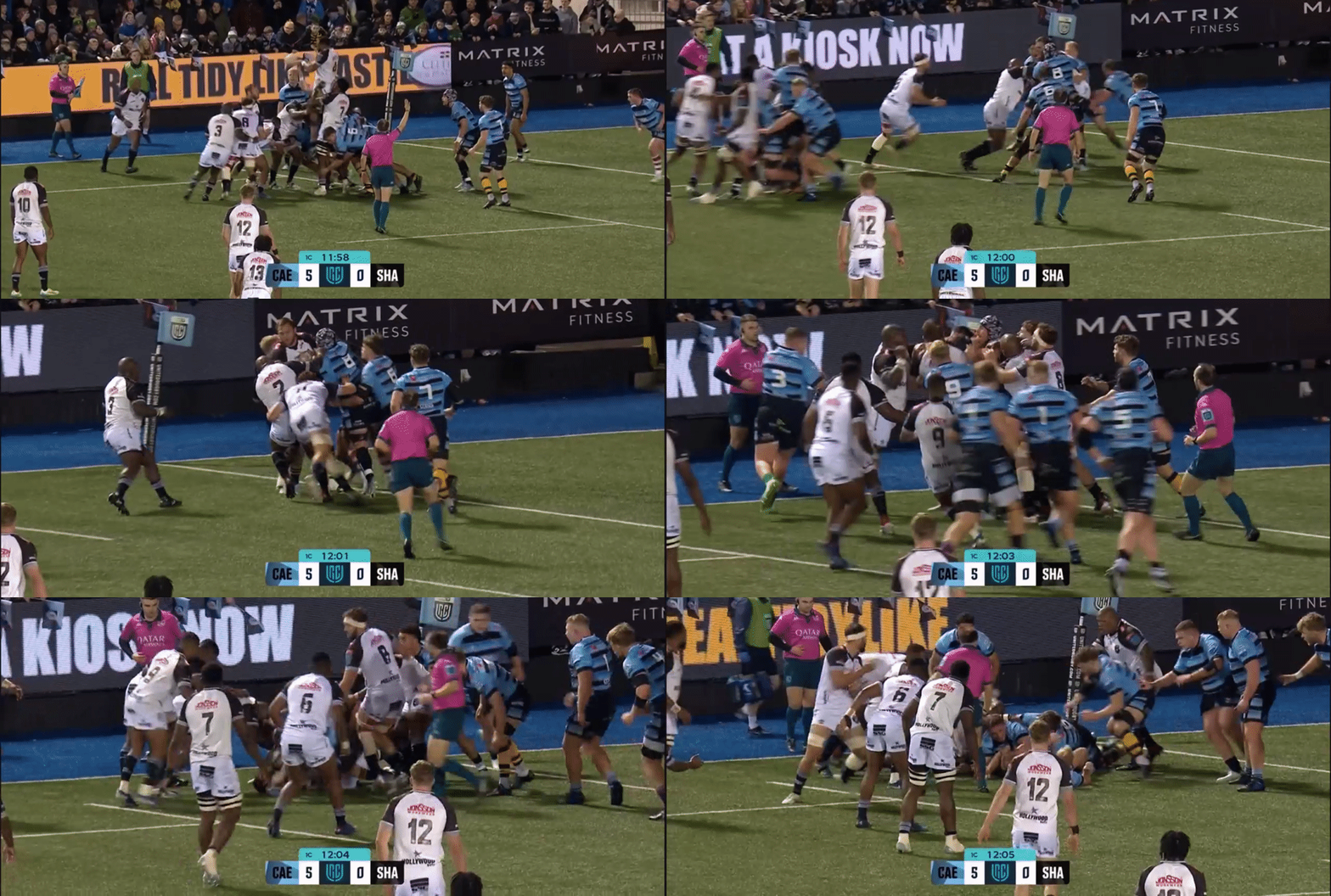
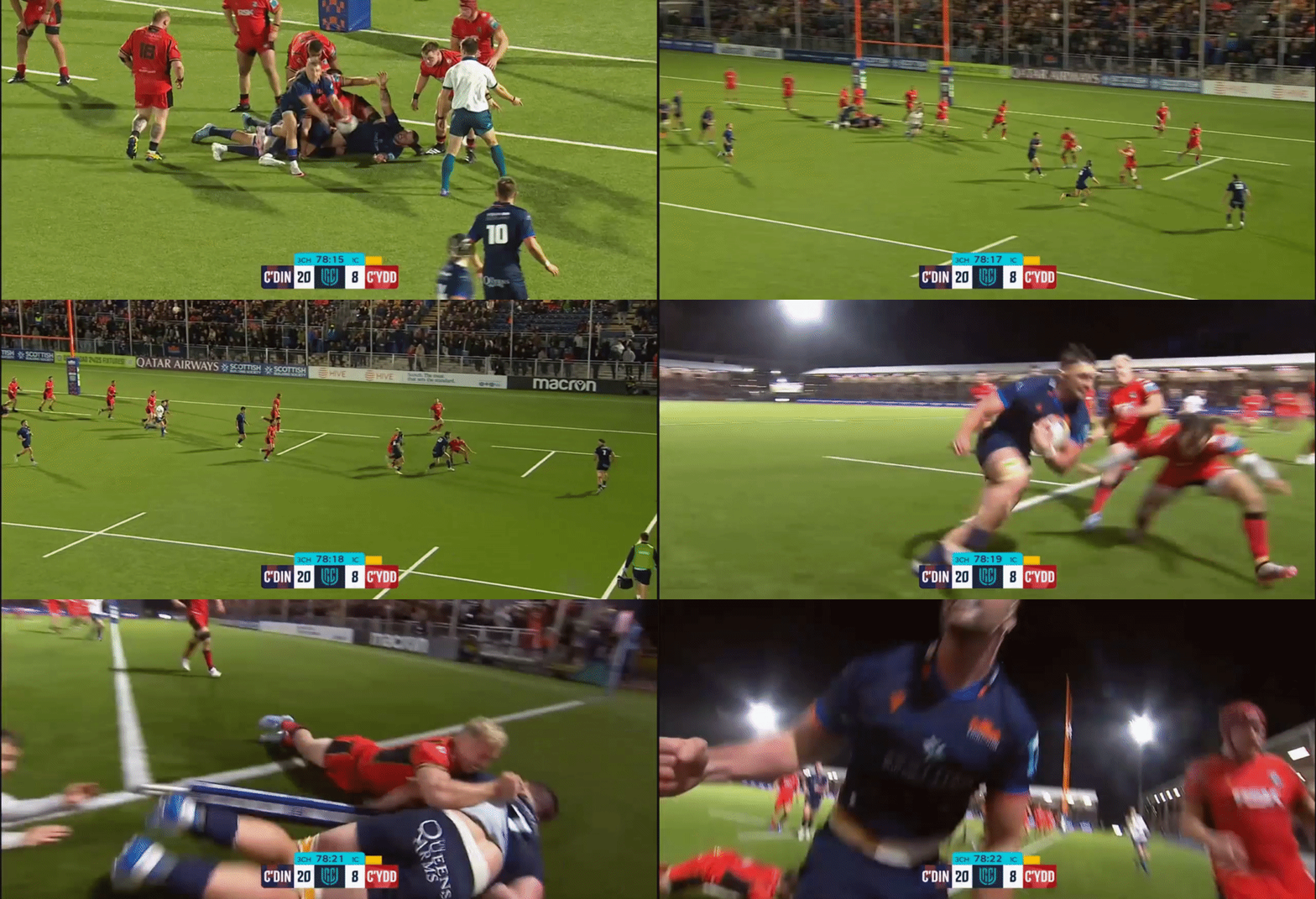
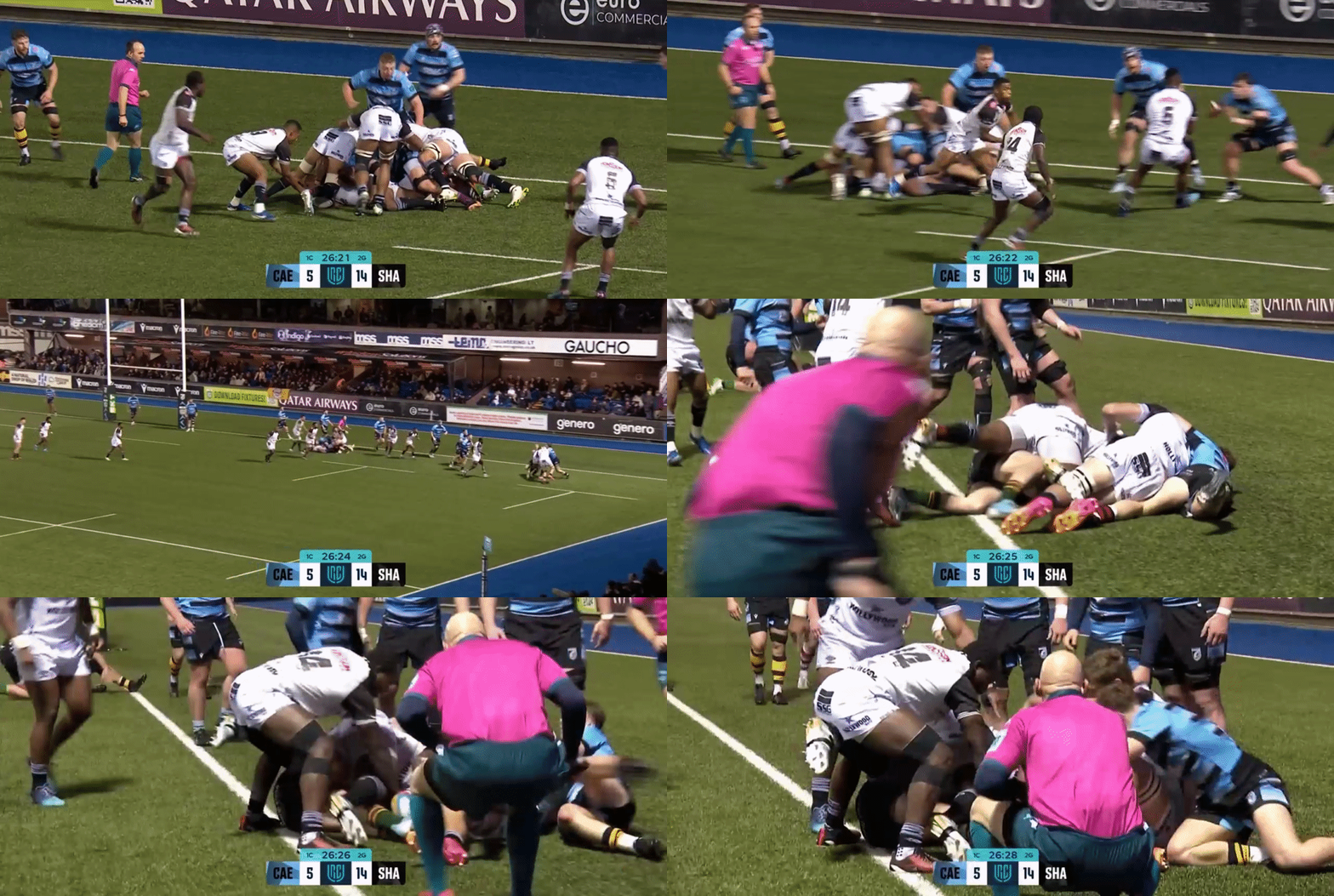
That work rate and defensive effort is not underlined in any clearer way than by the amount of try saving moments that Mulder has been involved in so far this season. Whether it be holding driving Sharks forwards up as they barrel towards the line, or continuing to chase down Edinburgh wingers into the corner, that never-give-up attitude is one that the Arms Park can certainly get behind.
Perhaps the most noticeable area of improvement so far though has come with his kicking. The player himself acknowledged as such in a press conference, explaining that box kicking is far more prevalent in the northern hemisphere URC than it is on the hard, dry tracks of the Currie Cup, and that took some adjusting to.
That work in training is paying dividends though as Mulder’s box kicking has been a consistent weapon for Cardiff in recent months, giving the likes of Gabriel Hamer-Webb and Tom Bowen something to chase and resulting in plenty of good broken field attacking opportunities.
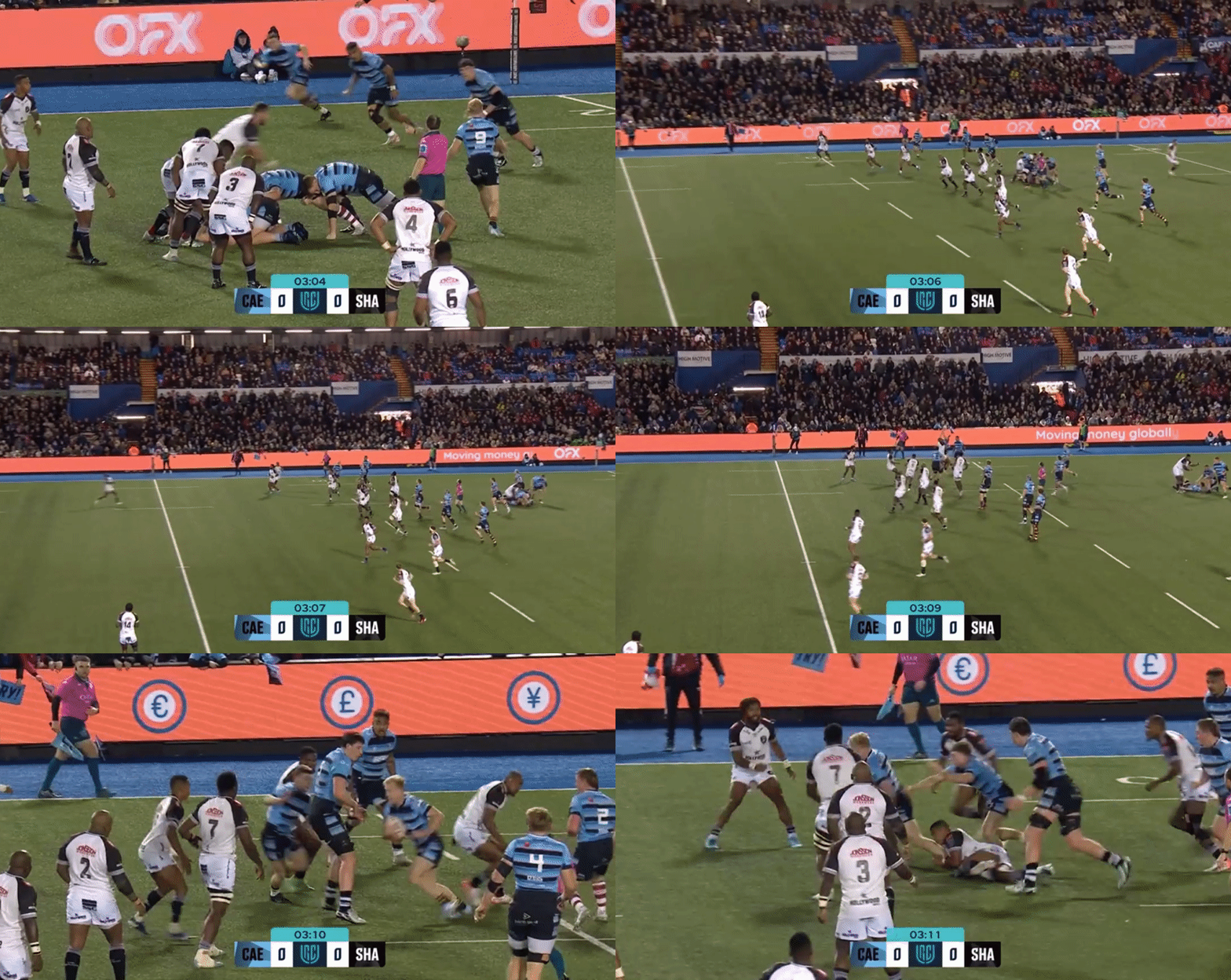

Of course where scrum-halves are really judged is their play from the base, particularly at Cardiff where speed of ball is an important aspect of the fast-paced and expansive attack that has traditionally been played at the club, and continues under Matt Sherratt.
The likes of Gareth Edwards, Terry Holmes, Rob Howley and Tomos Williams all had their individual x factor attributes, but underpinning their games were an excellent pass and the ability to inject some zip into the attack.
Coming from the Currie Cup where the attacking emphasis is on width and pace, Mulder has certainly added to the Cardiff squad on this front.
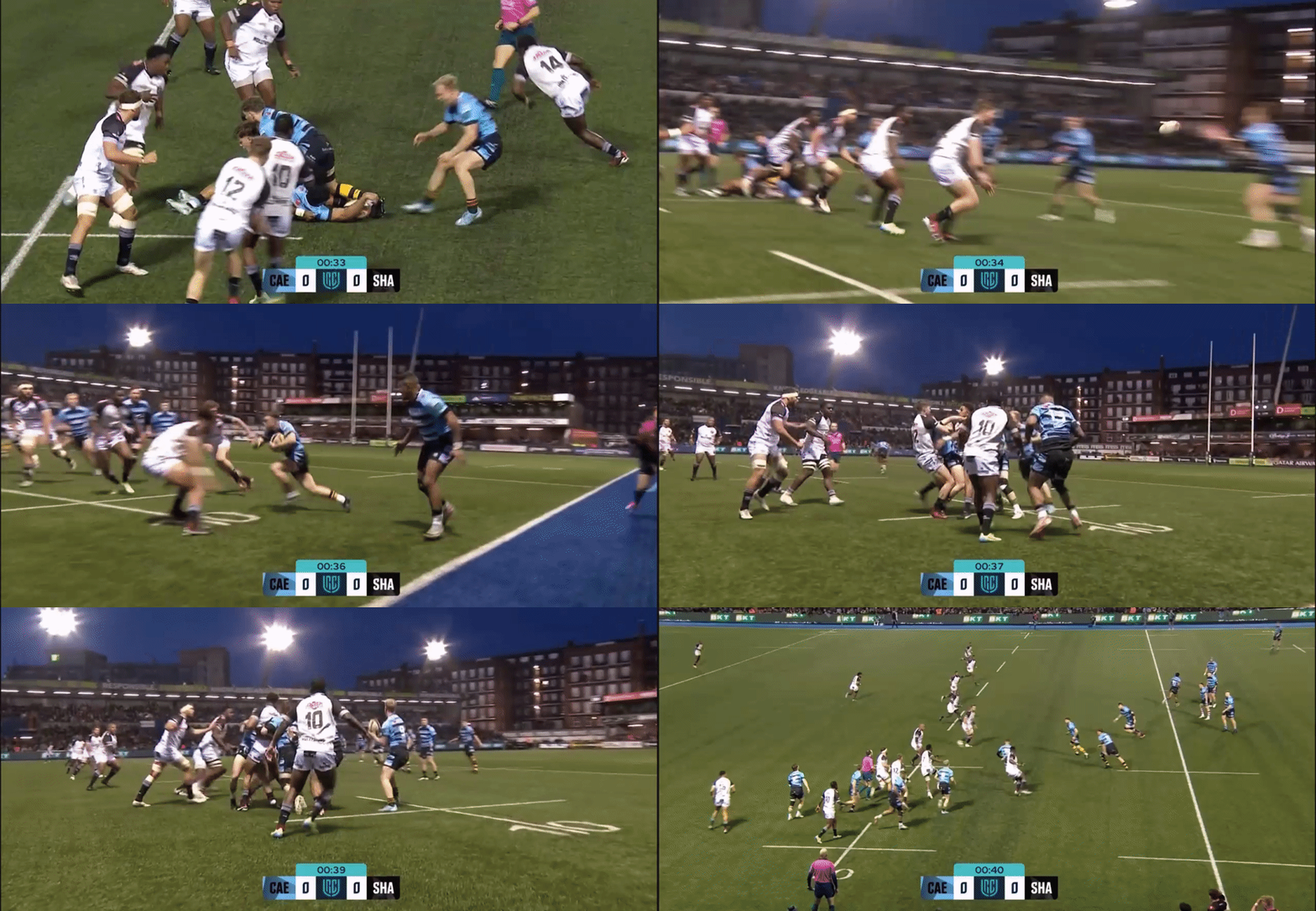

Looking at the second clip and although this doesn’t go down as a Mulder try assist, there is definitely no try scored there without the speed with which he switches back to the openside and whips the ball away off his left hand into Rory Jennings for Rey Lee-Lo to run off his shoulder and go over.
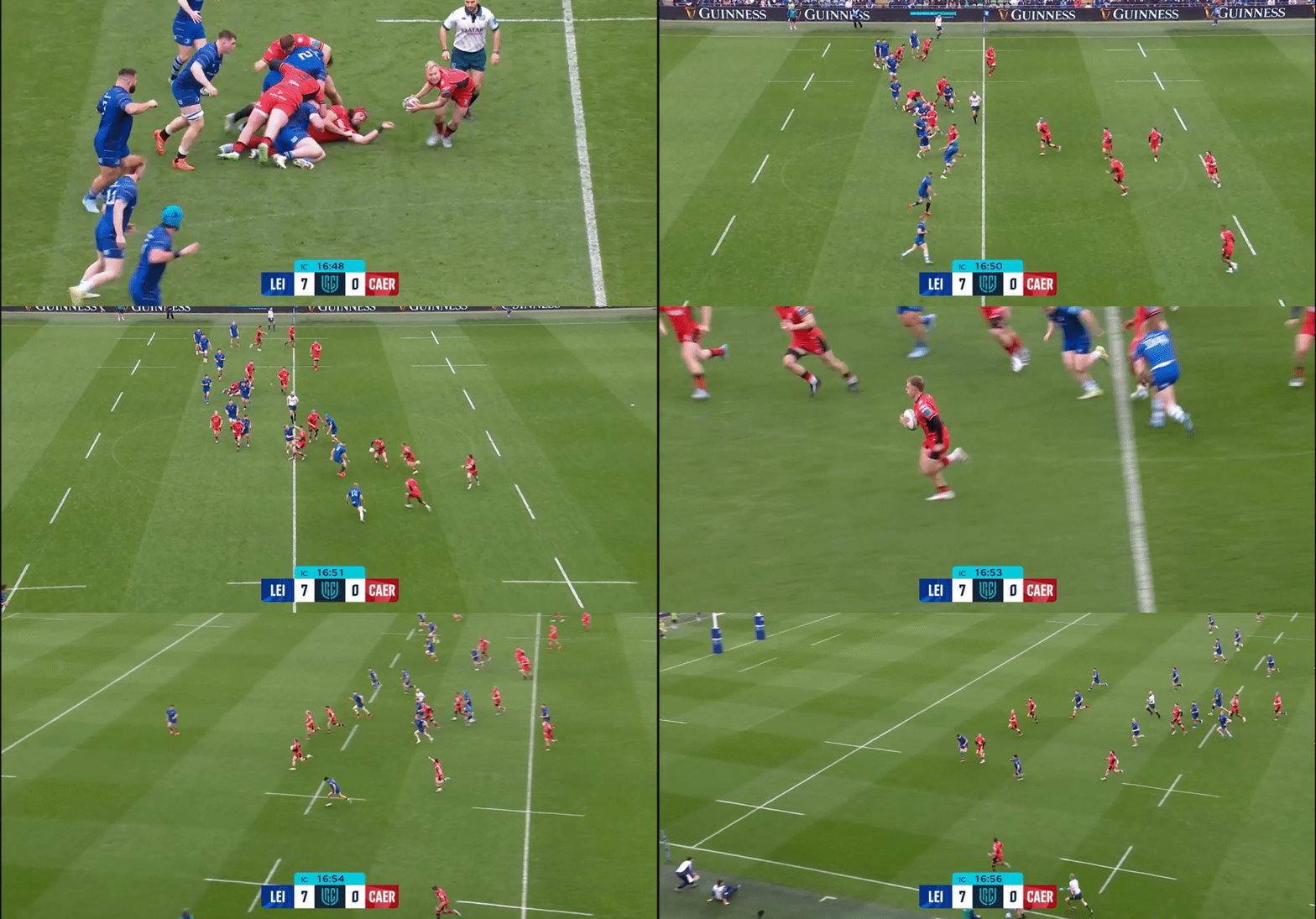
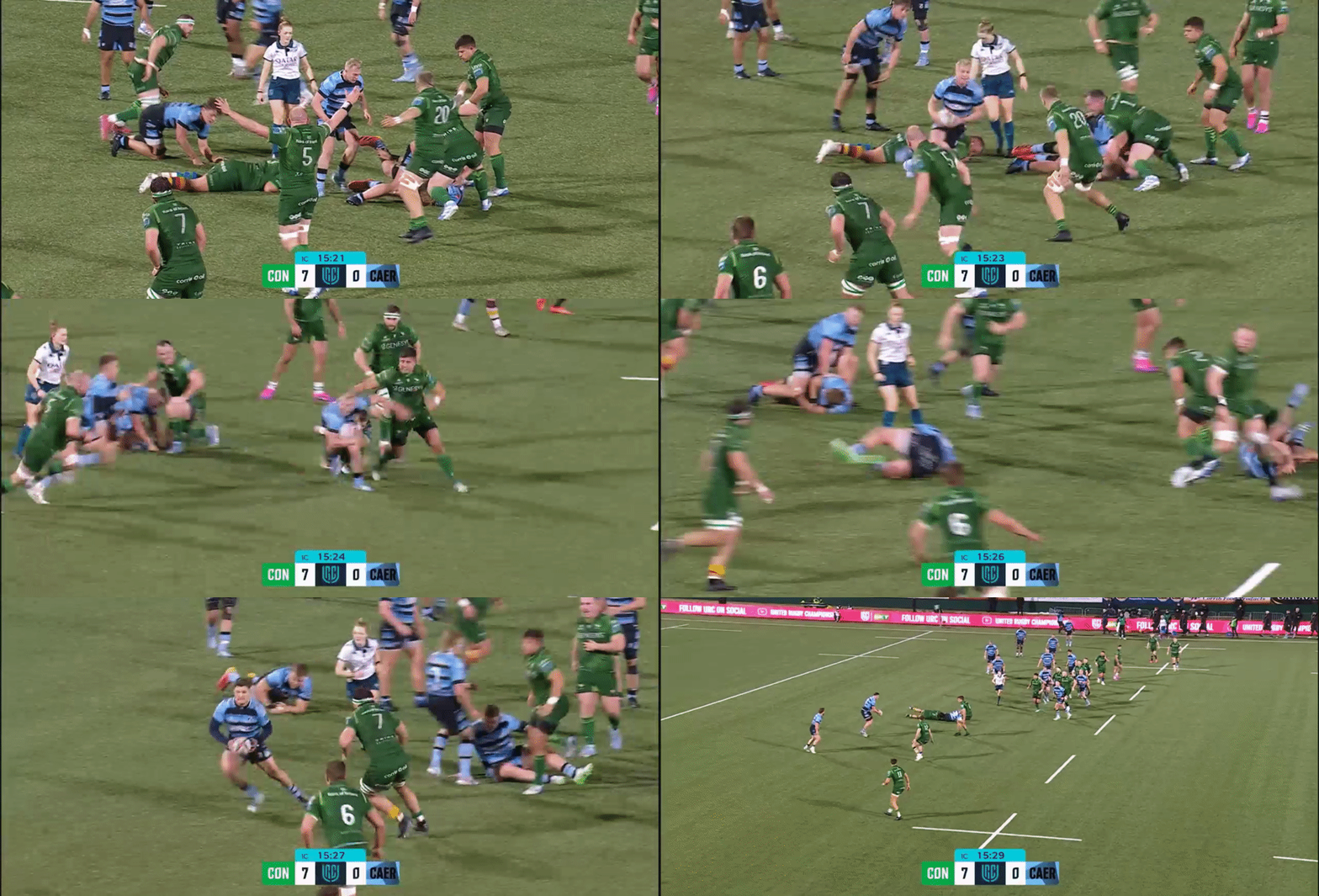
The third clip then brings me on to my final observation nicely, the scrum-half’s running threat. That ability to work away from the base and engage the guard defenders is a staple of that Sherratt rugby league-esque attacking shape which deconstructs the three-man forward pod into a link player, a dummy runner inside and out, and then the playmaker out the back.
This only works at it’s peak if the scrum-half is a genuine running threat to retain the attention of those guard defenders, and Mulder has certainly displayed he is that sort of threat in recent weeks.
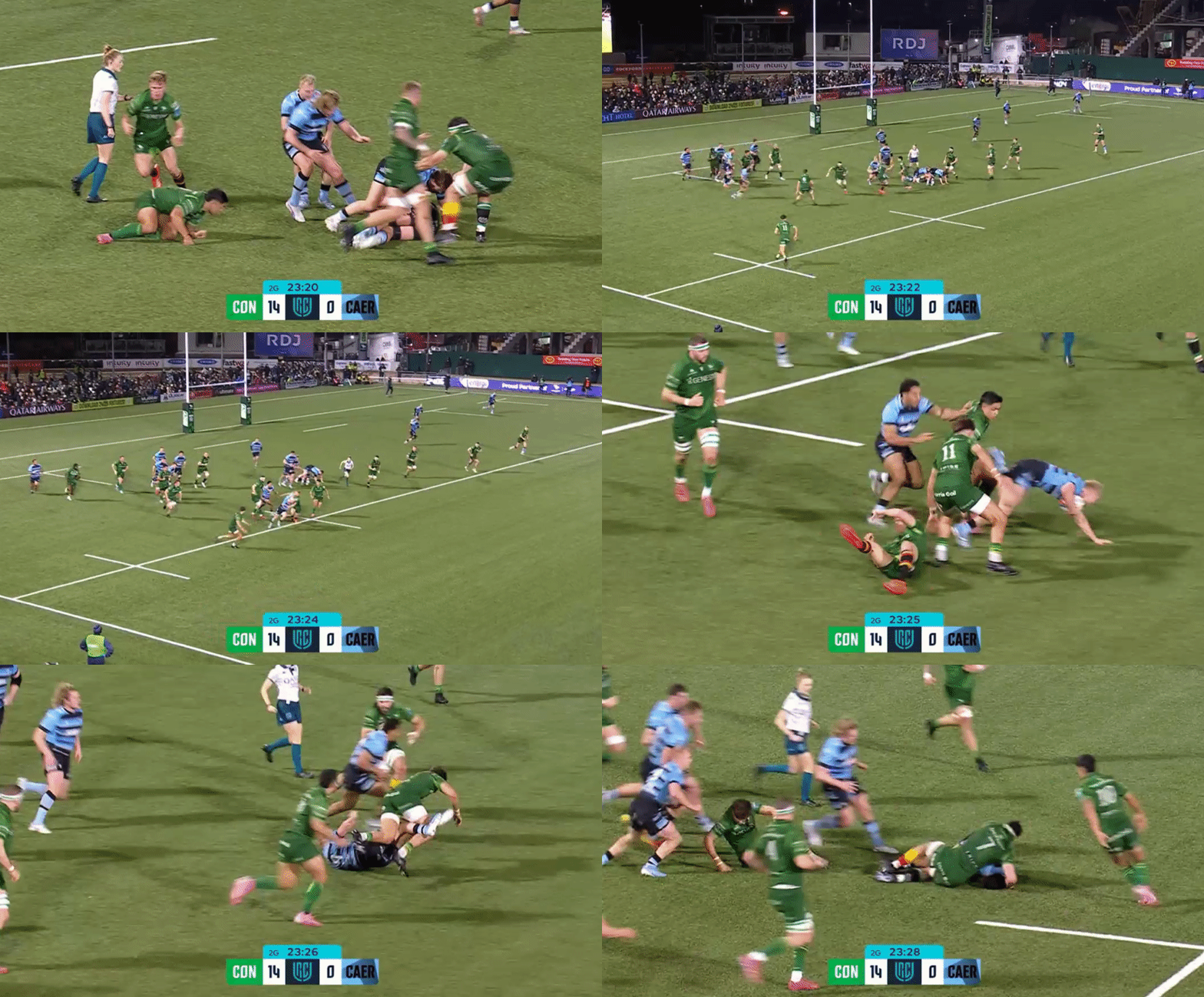

Johan Mulder has undoubtedly been a major positive of what has been a tough run for Cardiff, without a win in six games covering this calendar year so far. In times of financial restriction finding talent like this is certainly going to make returning to a competitive level much easier.
His breakthrough has made scrum-half a brilliantly competitive spot for the Blue & Blacks heading into this final fixture block. There’s Mulder’s high tempo, all-action style, then Aled Davies’ experience and game management when he is fit, with Ellis Bevan somewhere in the middle as more of an all rounder.
Those three pushing each other and driving standards at half-back can only be a positive for the club. Long may Jockey’s head ache when it comes to selecting his matchday 23 options!
 Cardiff Rugby Life