 Posted by
 Cymru get their 2025 Rugby World Cup campaign underway on Saturday when Sean Lynn’s side face Scotland at the Salford Community Stadium, 2.45pm kick-off live on BBC One.
It is a re-run of the Welsh women’s first game at the 2021 edition of the tournament, held in 2022, when tries from Alisha Joyce-Butchers and Kayleigh Powell, as well as the boot of Elinor Snowsill and a nerveless late kick from Keira Bevan, secured an 18-15 victory in New Zealand.
The subsequent three years have been a wild ride for the national team set up. Defeats at the hands of Australia and New Zealand followed at that Rugby World Cup, but a pool stage departure was just the beginning of a new era of professionalism in the women’s game in Wales that saw rapid improvement through the following year’s Six Nations.
A third place finish and subsequent qualification for WXV1 put Cymru, then under the coaching of Ioan Cunningham, on a path towards the big players of women’s rugby. However, as goes the theme with the Welsh Rugby Union all too often, initial financial investment and on-field success was not properly followed up with further investment and continuous improvement.
WXV1 saw the team fall to heavy defeats at the hands of Canada and New Zealand, and a narrow loss against Australia, as the gulf between the top sides and the rest was underlined, before Cymru slipped even behind the chasing pack the following year with a last-place finish at the 2024 Six Nations.
Rock bottom was reached that summer when the WRU compounded their failure to capitalise on the success of 2022/23 by messing the players around in contract negotiations, almost resulting in a strike ahead of that year’s WXV competition. But for the hardline leadership of senior players there could have been a major disaster.
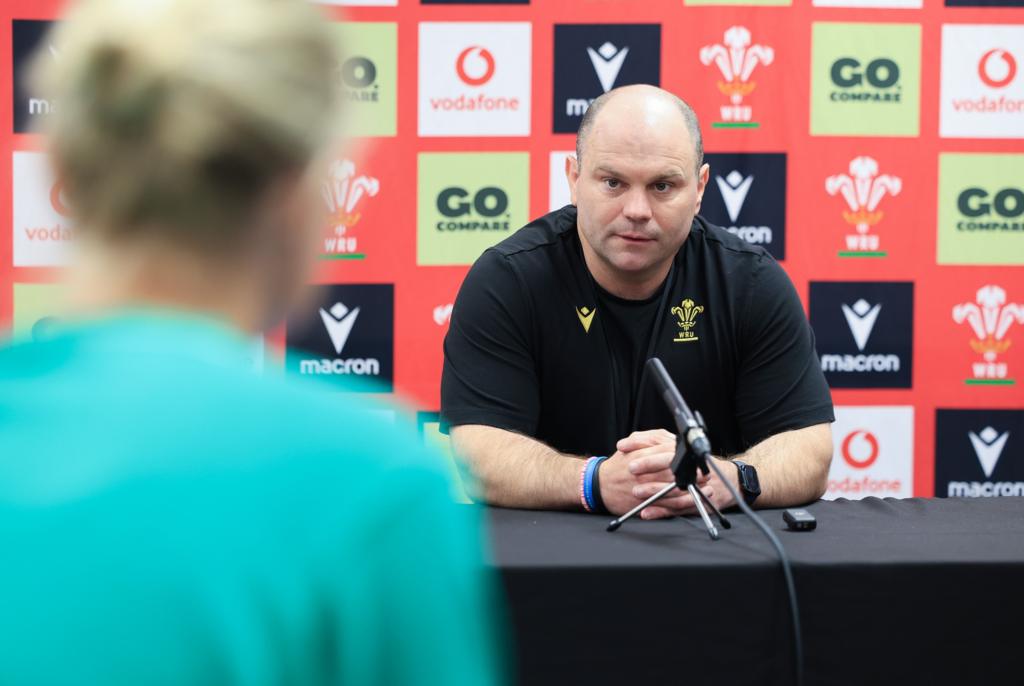
So where are we now? Well, the Union have managed to turn things around somewhat. The appointment of the extremely impressive Belinda Moore as Head of Women’s Rugby has been followed by much needed governance reform, and then the eminently sensible appointment of Sean Lynn as national team head coach after many successful years at Gloucester-Hartpury.
The man they called “the King of Hartpury” enjoyed a watchful Six Nations, having begun the role full-time just six days prior to the first round of the tournament, cycling through 28 players including five players aged under-21, and taking a look at the likes of Georgia Evans, Bethan Lewis and Kayleigh Powell in slightly different roles.
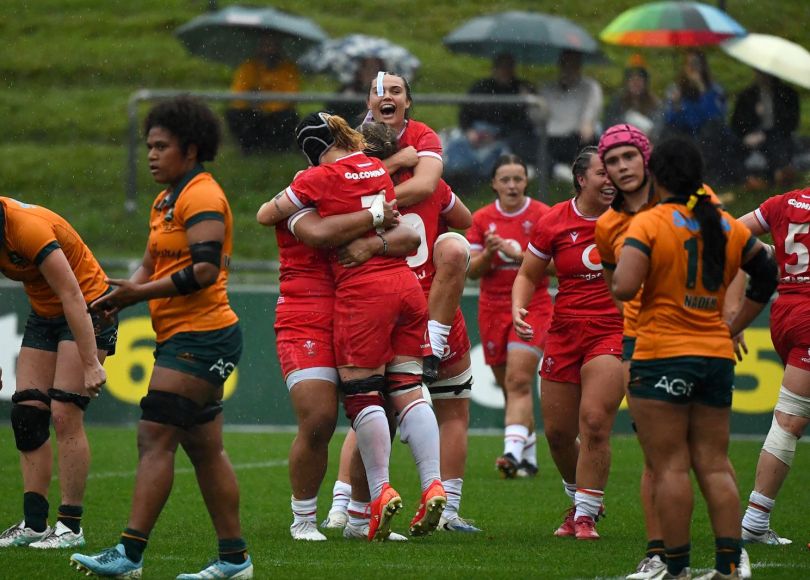
A pre-World Cup trip to Australia spawned the first win of the Lynn era, a gritty 12-21 victory in tough Brisbane weather, and although the following week saw the Wallaroos emerge as comfortable victors there was a sense that a corner was slowly being turned by a squad sporting an exciting mix of young talent and rejuvenated senior players.
It leads to the trip to the north-west and a hugely important game for Cymru, at a hugely important time for women’s rugby in the country.
As part of the restructuring of men’s professional rugby in Wales there are proposals that see two professional women’s sides playing under the same brand as what is likely to be two professional men’s teams. They will compete in an ever expanding Celtic Challenge, with a plan to create a “women’s Super Rygbi Cymru” of sorts in the tier below that.
This is a necessary, but major, leap forward for the women’s game in terms of strengthening the pathway and expanding the player pool. With the majority of Sean Lynn’s squad contracted to English sides in the PWR competition across the Bridge, stocking all these teams with suitably skilled players will present a challenge.
As we’ve seen in other sports, most notably English football and the Lionesses, the best way to boost participation in women’s sports is to ride the wave of top level success. The adage of “if you can see it, you can be it” rings absolutely true, and there’s little doubt Welsh rugby would be any different in that regard.
If Cymru can beat Scotland on Saturday afternoon it sends out a statement that the side is there to compete, not just go through the motions of any sort of transition. It gets supporters engaged at an early stage, especially when any good news in Welsh rugby is welcome news and, crucially, it sends the team on a path to the main knockout stages for the first time since 1994.
The Scots were three-point winners at The Hive in the Six Nations, the first game under Lynn, but since then have won just once in six games including back-to-back losses against Italy and Ireland in warm-up games amidst a backdrop of uncertainty around contracts that is causing players to “suffer with their mental and emotional health”.
It’s there to be win for Cymru in Salford. For the sake of their short-term Rugby World Cup hopes, and four years of subsequent growth, let’s get behind the women in red. Ymlaen!
 Cardiff Rugby Life